
Upholstered Bench for Dining Table: The Complete Buying Guide
An upholstered bench can turn an ordinary dining table into a warm, sociable gathering spot. Learn how to choose the right size, fabric, and build quality before you commit.
Explore Bench OptionsWhy an upholstered bench deserves a place at your table: Bench seating softens the look of a dining room, adds flexible seating for guests, and often lets you fit more people into the same footprint than individual chairs. But the wrong bench can be uncomfortable, too tall, or quick to show wear. This guide walks you through every decision so you buy once and buy right.
Recommended Upholstered Benches for Dining Tables
⚠️ AFFILIATE DISCLOSURE: This website contains affiliate links. As an affiliate Associate, we earn from qualifying purchases. If you make a purchase through these links, we may receive a small commission at no additional cost to you. Read our full affiliate policy.

Signature Design by Ashley Upholstered Wood Dining Bench, 63-Inch, Oatmeal | Hardwood Solids and MDF Substrates, Comfortable Modern Farmhouse Seating, Versatile 63-Inch Profile, Cabalynn Series
Check price on Amazon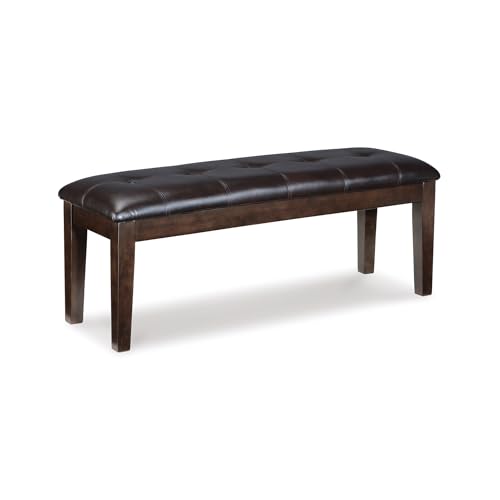
Signature Design by Ashley Haddigan 1-Piece Dining Bench, Faux Leather | Upholstered Button Tufted Seat, Wood and Engineered Wood Frame, 18.75 in Seat Height, 2-Person Capacity, Dark Brown Finish
Check price on Amazon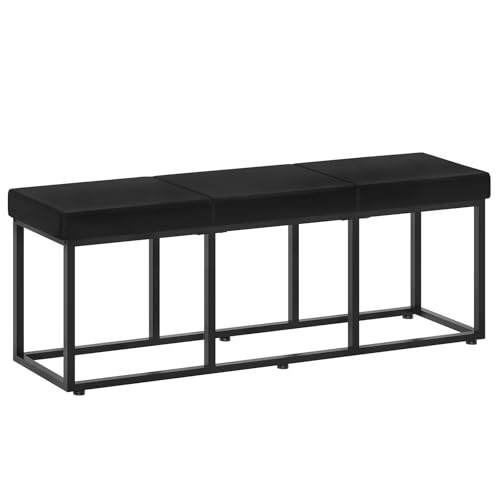
HOOBRO Dining Bench, Dining Room Bench with PU Leather Upholstered Seat, for Kitchen, Living Room, Hallway, Entryway, Bedroom, Black BB46CD01
Check price on Amazon
Signature Design by Ashley Dining Bench, 59" Backless Upholstered Wood | Neutral Gray Polyester Cushion, Solid Hardwood Frame, Backless Design Seats 2, Lyncott Series
Check price on Amazon
HNY Farmhouse Upholstered Dining Bench Seat, 45" Linen Entryway Bench with Natural Wood Legs, Mid Century Modern End of Bed Bench for Kitchen Bedroom Living Room Hallway, for 2-3 Person, Beige
Check price on Amazon
Giantex 43.5" Upholstered Dining Bench with Rubber Wood Frame, Beige | Farmhouse End of Bed Bench, Padded Entryway Bench for Kitchen, Dining Room, Living Room, Hallway
Check price on Amazon
Signature Design by Ashley Ralene Tufted Upholstered Dining Room Bench, Medium Brown
Check price on Amazon
Signature Design by Ashley 48" Upholstered Dining Bench, Antique White | Solid Wood Frame with Textured Grain, Light Gray Polyester Upholstered Seat with Nailhead Trim, Seats 2, Robbinsdale
Check price on AmazonWhat Makes an Upholstered Bench Work at a Dining Table
An upholstered dining bench is more than a soft seat. It is a piece of furniture that has to hold up to daily meals, children, guests, and the occasional spilled drink. The best benches balance three things: seat height that matches your table, a frame that stays rigid over years of use, and upholstery that looks good while surviving real life.
Benches also change the social dynamic of a dining room. Instead of everyone facing the table from individual chairs, a bench encourages side-by-side seating, which feels more relaxed and casual. That is why many families pair a bench on one long side of a rectangular table with chairs on the opposite side. If you are still deciding on your table, our guide to a rectangular dining room extension table explains how bench-friendly layouts are planned around table length.
Bench Size and Seating Capacity
Getting the size right is the single most important decision. A bench that is too short leaves awkward gaps, while one that is too long crowds the end chairs or blocks walkways. Use the table below as a starting reference, then measure your actual table and room.
| Bench Length | Comfortable Seating | Best For | Tier |
|---|---|---|---|
| 36–42 inches | 1–2 adults | Compact apartments, breakfast nooks | Entry-level |
| 48–54 inches | 2 adults | Small dining rooms, two-person tables | Starter tier |
| 60–66 inches | 2–3 adults | Standard family dining tables | Mid-range |
| 72–80 inches | 3–4 adults | Large family tables, entertaining | Premium |
A useful rule of thumb is 24 inches of bench length per adult. Children need less, so a bench sized for three adults can often hold four kids during a birthday dinner. If your table seats four, a bench on one side plus two chairs on the other is a classic arrangement that keeps the room feeling open.
Matching Bench Height to Your Table
Seat height is where many buyers go wrong. A standard dining table is about 28 to 30 inches tall, and the ideal bench seat height is 17 to 19 inches from the floor. That leaves roughly 10 to 12 inches of clearance between the seat and the tabletop, which is the sweet spot for comfortable eating.
If you own a counter-height or bar-height table, you will need a bench built to match. Standard dining benches will leave diners too low. Measure the underside of your table apron and subtract about 10 inches to find your target seat height. Benches with a thick upholstered cushion add height, so account for that cushion when comparing specs.
Upholstery Materials Compared
The fabric or leather you choose determines how the bench feels, how it ages, and how much effort it takes to keep clean. Here is how the most common upholstery options compare.
Performance Fabric
Stain-resistant, easy to wipe, and available in many colors. The most practical choice for families with children and pets.
Linen and Cotton Blends
Breathable and naturally textured, with a relaxed look. Needs spot cleaning and benefits from a protective treatment.
Velvet
Rich, soft, and elegant. Velvet shows marks more easily, so it suits formal dining rooms better than busy kitchens.
Genuine Leather
Ages beautifully and wipes clean, but requires conditioning. A long-term investment for households that value durability.
Faux Leather
Easy to clean and uniform in appearance. Quality varies widely, so check stitching and backing before choosing.
Microfiber
Soft, durable, and resistant to everyday stains. A solid choice for busy family dining areas.
Frame and Cushion Construction
What is under the fabric matters as much as the fabric itself. A beautiful bench on a weak frame will wobble, creak, and sag within a year. Look for these construction signals when comparing options:
- Solid hardwood frames (oak, beech, or ash) resist warping and hold screws tightly over time. Plywood and engineered wood are acceptable in entry-level benches but less durable long term.
- High-density foam of at least 1.8 pounds per cubic foot keeps its shape through years of daily use. Low-density foam compresses quickly and leaves a permanent dip.
- Corner blocking and reinforced joints prevent side-to-side wobble, which is the most common failure point on benches.
- Webbing or sinuous springs under the cushion distribute weight evenly and reduce sagging in the center of the bench.
- Felt pads or adjustable glides protect hard floors and compensate for uneven surfaces.
Mid-range benches usually step up to hardwood frames and denser foam compared with entry-level models, which often use engineered wood and lighter cushions. That upgrade is what separates a bench that lasts a decade from one that needs replacing in a few years.
Backless vs. Bench With Backrest
Backless benches slide neatly under the table, save space, and look clean and modern. They are ideal for kitchens and small dining rooms where the bench doubles as extra seating when not in use at the table. The trade-off is comfort: without a back, diners lean forward or rest against the table edge during long meals.
Benches with a backrest or a low upholstered roll support the spine and feel much closer to a chair. They suit formal dining rooms and households that linger over dinner. The backrest does take up space, so measure the depth carefully and make sure the bench can still tuck under the table if you want it out of the way.
Style Pairing With Your Dining Table
An upholstered bench can read as rustic, modern, or classic depending on its lines and fabric. A tufted bench with nailhead trim pairs naturally with a round farmhouse dining table, while a clean-lined bench in a neutral performance fabric suits contemporary rooms. For a more traditional look, a curved bench with turned legs works well beside a solid Amish round dining table and chairs.
If you are furnishing a compact space, a bench can replace two chairs on one side and free up floor area. Our guide to a dining table for four people shows how a bench-and-chair mix keeps small rooms functional. For outdoor or covered patio dining, a bench made from weather-resistant materials and an outdoor-rated fabric can extend the same seating idea outside; see our notes on a six-seater outdoor dining table and chairs for layout ideas.
Comfort and Practical Use
Comfort is not just about softness. A bench that is too soft bottoms out under heavier diners, while one that is too firm feels like a wooden plank. Aim for a cushion that compresses slightly under your hand but springs back. Seat depth of 15 to 18 inches suits most adults; deeper benches feel loungy but push diners away from the table.
Consider who will use the bench most. Children do well on benches because they can slide along rather than climb in and out of a chair. Older guests may prefer a bench with a backrest and arms for support. If the bench doubles as a window seat or entryway perch between meals, a slightly deeper cushion and a backrest make it far more versatile.
Care and Maintenance
Upholstered benches collect crumbs, dust, and the occasional spill, so a little routine care keeps them looking fresh. Vacuum the fabric weekly with a soft brush attachment to lift dust from the weave. Blot spills immediately with a clean, dry cloth rather than rubbing, which pushes liquid deeper into the foam.
Fabric-safe spot cleaners handle most marks on performance and microfiber fabrics. Linen and velvet need gentler treatment and should be tested in a hidden area first. Leather benefits from a conditioner applied a few times a year to prevent cracking. Rotate the bench occasionally if it sits in direct sunlight so the fabric fades evenly. For a broader overview of surface care, see our dining table materials and finishes hub.
Common Buying Mistakes to Avoid
- Ignoring seat height. A bench that is two inches too tall or too short ruins comfort no matter how good it looks.
- Choosing fabric by looks alone. A delicate fabric in a busy family kitchen will show wear quickly. Match the fabric to the room's real use.
- Buying without measuring. Confirm both the bench length and the clearance to walkways and end chairs before ordering.
- Overlooking frame quality. A weak frame is the most common reason benches fail early. Check the joinery and material before buying.
- Skipping the cushion check. Sit on the bench if you can, or read reviews about foam density and sagging.
Quick Selection Table by Room Type
| Room Type | Recommended Bench | Best For | Tier |
|---|---|---|---|
| Small kitchen nook | Backless bench, 48 inches | Space-saving two-person seating | Entry-level |
| Family dining room | Bench with low back, 60–66 inches | Everyday meals with children | Mid-range |
| Formal dining room | Tufted bench with backrest, 72 inches | Entertaining and long dinners | Premium |
| Open-plan living area | Upholstered bench with storage, 60 inches | Dual-purpose seating and storage | High-end tier |
Frequently Asked Questions
What is the ideal height for an upholstered bench for a dining table?
A standard dining bench seat height sits between 17 and 19 inches from the floor, which pairs well with standard dining tables around 28 to 30 inches tall. Always match the bench seat height to your table so diners can sit comfortably without their knees hitting the apron.
How many people can sit on an upholstered dining bench?
As a rule of thumb, allow about 24 inches of bench length per adult. A 48-inch bench seats two comfortably, a 60-inch bench seats two to three, and a 72-inch bench seats three adults or four children.
Is an upholstered bench comfortable for long dinners?
Yes, when the foam density and fabric are chosen well. High-density foam of at least 1.8 pounds per cubic foot holds its shape through long meals. Benches with a supportive backrest are more comfortable for extended seating than backless styles.
How do I clean an upholstered dining bench?
Vacuum the fabric weekly with a soft brush attachment. Treat spills immediately with a clean cloth and a fabric-safe spot cleaner. Performance fabrics and leather alternatives wipe clean easily, while linen and velvet need gentler, more careful maintenance.
Can I use an upholstered bench with a round dining table?
Yes. A curved or gently rounded bench works especially well with round tables because it follows the table's shape and avoids sharp corners. Keep the bench length slightly shorter than the table diameter so end chairs still have room.
Should I pair a bench with chairs or use only benches?
Mixing a bench on one long side with chairs on the other gives the best of both worlds: flexible seating plus a focal point. All-bench seating looks cohesive but can be less comfortable for guests who prefer back support.
Ready to Choose Your Dining Bench?
Now that you know how to match size, height, fabric, and frame quality, you can compare options with confidence. Start with the recommended benches above and pick the one that fits your table and your household.
View Recommended BenchesFinal Thoughts
An upholstered bench is one of the most flexible pieces you can add to a dining room. It softens hard lines, adds seating for guests, and makes everyday meals feel more relaxed. Focus on seat height, bench length, and frame quality first, then choose the upholstery that matches how your household actually lives. Get those fundamentals right and your bench will serve your table comfortably for years.