
Traditional Style Dining Table: A Complete Buyer's Guide
Timeless craftsmanship, rich wood tones, and ornate detailing — learn how to choose a classic dining table that anchors your home for generations.
Why traditional style still matters: A traditional style dining table brings warmth, permanence, and a sense of heritage to a dining room. Unlike passing trends, classic design draws on centuries of furniture-making tradition — the graceful curves of Queen Anne, the bold carvings of Victorian pieces, and the sturdy joinery of colonial craftsmanship. This guide walks you through the defining features, wood choices, sizing, and styling of traditional dining tables so you can invest with confidence.
What Makes a Dining Table "Traditional"?
Traditional dining tables are recognizable by a set of design cues that have endured for generations. They are not simply old-fashioned — they are deliberately built to feel substantial, elegant, and rooted in classical furniture proportions. The most recognizable traits include:
- Rich, warm wood tones such as mahogany, cherry, walnut, and oak with a hand-rubbed or satin finish.
- Turned or carved legs — think fluted columns, cabriole legs, or reeded details rather than straight metal frames.
- Ornate aprons and stretchers with subtle scrollwork, dentil molding, or inlay accents.
- Thick, solid tops with a bullnose or beveled edge rather than the ultra-thin profiles of modern tables.
- Symmetry and balance in the overall silhouette, often with a pedestal base or four sturdy legs.
If you are exploring broader table styles, our elegant round dining table guide and square rustic dining table overview can help you compare traditional proportions against other silhouettes. For a classic pedestal design, the large oval pedestal dining table is an excellent reference point for how traditional forms translate into spacious dining rooms.
Core Features of a Traditional Dining Table
Solid Wood Construction
Traditional tables favor solid hardwood over veneers, offering weight, stability, and the ability to be refinished for decades.
Hand-Carved Detailing
Scrollwork, fluting, and inlay are hallmarks of the style, adding visual depth and a sense of artisanal craft.
Turned Legs & Pedestals
Cabriole, fluted, and reeded legs give traditional tables their distinctive, sculptural foundation.
Extendable Leaves
Many classic designs include self-storing leaves, making them practical for holiday hosting and family gatherings.
Rich Wood Finishes
Deep mahogany, cherry, and walnut finishes with satin or hand-rubbed luster define the traditional palette.
Substantial Proportions
Thicker tops, wider aprons, and heavier bases create a sense of permanence and gravitas in the room.
Best Woods for Traditional Dining Tables
The wood you choose shapes both the character and the longevity of a traditional dining table. Here is how the most popular traditional hardwoods compare:
| Wood Type | Character | Best For | Tier |
|---|---|---|---|
| Mahogany | Deep reddish-brown, fine grain, ages beautifully | Formal dining rooms, heirloom pieces | Premium to luxury |
| Walnut | Rich chocolate tones, elegant grain patterns | Transitional and traditional interiors | Premium |
| Cherry | Warm reddish hue that deepens with age | Colonial and classic American styles | Mid-range to premium |
| Oak | Strong, prominent grain, durable and heavy | Farmhouse-leaning traditional settings | Mid-range |
Solid wood constructions in the premium and luxury tiers typically feature kiln-dried hardwood frames, mortise-and-tenon joinery, and hand-applied finishes. Entry-level traditional tables may use veneers over engineered cores — a solid choice for the tier if the joinery and finish quality are well executed.
Choosing the Right Size and Seating Capacity
Traditional dining tables are often larger than their modern counterparts because they were designed for formal, multi-course dining. As a general rule, plan for 24 inches (about 60 cm) of table width per person, plus 6 to 12 inches of overhang on each end for a pedestal table. Common configurations include:
- Four-seater: 36–48 inch square or 60-inch rectangular — ideal for smaller dining rooms.
- Six-seater: 60–72 inch rectangular or 54–60 inch round — the most versatile traditional size.
- Eight-seater and beyond: 84–96 inch rectangular, often with extension leaves.
If you are working with a compact room but still want a classic look, a 6-8 seater round dining table or a 42-inch round dining table and chairs set can deliver traditional warmth without overwhelming the space. For darker, moodier traditional interiors, a dark brown round dining table pairs beautifully with rich wood paneling.
Styling a Traditional Dining Table
Traditional dining rooms thrive on layered textures, symmetry, and warm palettes. To style your table without making it feel dated:
- Pair with upholstered chairs in neutral linen, velvet, or leather for a cohesive, classic look.
- Use a table runner or tablecloth in natural fibers — linen and cotton are traditional favorites.
- Add a centerpiece with height — a low bowl of fruit, a candelabra, or a floral arrangement in a classic urn.
- Choose warm lighting — a chandelier or pendant over the table anchors the traditional mood.
- Mix in a bench for a relaxed, family-friendly feel — our dining table with couch bench guide explores this pairing in depth.
For a complete seating arrangement, see our dining table and 4 chairs and bench reference, which shows how traditional tables balance formal and casual seating.
Mixing Traditional Tables with Modern Decor
One of the most popular interior approaches today is transitional design — blending a traditional dining table with contemporary surroundings. The key is contrast and restraint:
- Keep the chairs clean-lined and understated so the table remains the focal point.
- Use a neutral wall palette to let the wood tones breathe.
- Choose a simple, modern rug with a subtle pattern rather than an ornate Oriental.
- Limit decorative accessories to two or three well-chosen pieces.
For outdoor applications of classic design, our outdoor dining table and chairs guide covers weather-resistant traditional silhouettes, while the aluminum dining table set overview explains how traditional forms are adapted in lightweight materials.
Recommended Traditional Style Dining Tables
⚠️ AFFILIATE DISCLOSURE: This website contains affiliate links. As an affiliate Associate, we earn from qualifying purchases. If you make a purchase through these links, we may receive a small commission at no additional cost to you. Read our full affiliate policy.

Merax 78.7" Dining Table with Framed Wood Top and Turned Legs, Walnut | Traditional Rectangular Dining Table, Solid Wood Farmhouse Dining Table, Walnut Fininsh Kitchen Table for Dining Room
Check price on Amazon
Signature Design by Ashley Haddigan Extendable Dining Room Table, Seats 6-8 | Veneers, Wood and Engineered Wood, Casual Farmhouse Style, Self-Storing 18-Inch Butterfly Leaf, Softened Corner Distressing
Check price on Amazon
IDEALHOUSE 71" Farmhouse Dining Table for 6-8, Rectangular Kitchen Table | Thick Top and Barn Style Triangular Legs, Large Wooden Dining Room Table, Dinner Table for Dining Room, Apartment, Walnut
Check price on Amazon
Garvee 71" Wood Dining Table for 2/4/6/8, Large Rectangular Kitchen Table | Anti-Collision Curved Corner Dinner Table with Recessed Footrest for Dining Room, Study & Home Office, Walnut Brown & Black
Check price on Amazon
Steve Silver Company Tournament Round Dining Table, Hardwood Solids, Traditional Style, Pedestal Base w/Fluted Design, 48" D x 48" W x 30" H, Cherry Brown
Check price on Amazon
TRIBEWOOD 63" Solid Wood Dining Table, Rectangular Kitchen Table with Sturdy Legs, Rustic Wooden Dinner Tables for 4-6, Dining Room, Living Room, Light Brown
Check price on Amazon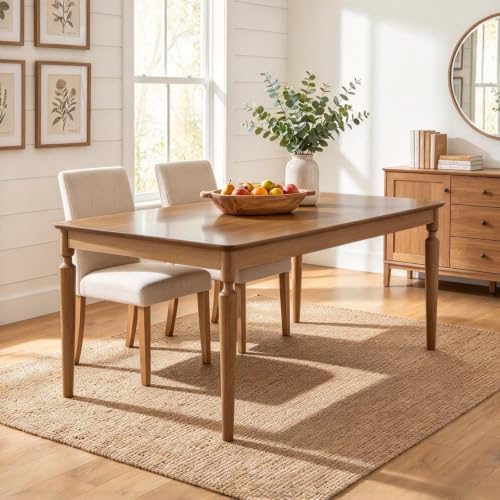
chairus 59" Solid Wood Dining Table for 4-6, Farmhouse Dinner Table, Walnut | 59 inch Solid wood, turned legs, walnut finish, 59" dining table for 4-6, farmhouse kitchen table, dining room & family meals
Check price on Amazon
Signature Design by Ashley Basinger Dining Room Table, Seats 8, Brown | Hardwood Solids, Mango Wood Veneer and MDF Substrate, Chunky Turned Legs, Rustic Farmhouse Design
Check price on AmazonReady to Bring Timeless Style to Your Dining Room?
Explore the curated traditional dining tables above and find the classic centerpiece your home deserves.
Frequently Asked Questions
What makes a dining table traditional in style?
A traditional style dining table is defined by classic proportions, rich wood tones, ornate detailing such as turned legs and carved aprons, and a sense of permanence. It draws on historical furniture styles like Queen Anne, Chippendale, and Victorian design.
Which wood is best for a traditional dining table?
Solid mahogany, walnut, cherry, and oak are the most common woods for traditional dining tables. Each offers rich grain, deep color, and long-term durability that suits classic interiors.
How do I match a traditional dining table with modern decor?
Balance the ornate table with clean-lined chairs, neutral palettes, and minimal accessories. Mixing one traditional anchor piece with contemporary elements creates an elegant, transitional look.
Are traditional dining tables practical for everyday use?
Yes. Many traditional tables are extendable and built from durable solid hardwood, making them ideal for both daily family meals and formal entertaining. A protective table pad can preserve the finish during heavy use.
How do I care for a traditional wood dining table?
Dust regularly with a soft cloth, avoid harsh chemical cleaners, and reapply a quality wood polish or wax a few times a year. Keep the table away from direct sunlight and use coasters and trivets to prevent rings and heat marks.