
Small White Pedestal Dining Table: The Complete Buying Guide
A small white pedestal dining table is one of the smartest choices for compact dining rooms, breakfast nooks, and open-plan corners. This guide explains base styles, materials, sizing, room fit, and care so you can choose with confidence.
Start ReadingWhy this table deserves a closer look: A pedestal base removes the corner legs that crowd small rooms, while a white finish keeps the surface visually light. Together, they make a compact table feel open, calm, and easy to place against a wall or in a corner. If you are in the research stage and already know you want a small white pedestal design, the sections below answer the practical questions buyers ask most.
What Is a Small White Pedestal Dining Table?
A small white pedestal dining table combines two defining features: a compact footprint and a single central support column instead of four corner legs. The white finish usually refers to the tabletop, the base, or both, and it can be painted, lacquered, or a white-look composite surface. These tables are typically designed for two to four diners and are built for spaces where every inch matters.
The pedestal design is more than aesthetic. Because there are no legs at the corners, chairs can slide in from any side, and no diner has to straddle a leg. In a small room this changes how the table feels: it reads lighter, it is easier to tuck into a corner, and it leaves more usable floor space for walkways.
White is a strategic color for compact dining areas. It reflects light, blends with most wall colors, and keeps the table from dominating a tight room. If you are comparing shapes and supports before committing, our guides on round dining tables and pedestal dining tables explain how each option behaves in different room layouts.
Pedestal Base Styles Compared
Not all pedestal bases are the same. The base you choose affects stability, floor protection, and how the table sits in the room. Here is how the main styles compare for a small white table.
| Base Style | Best For | Stability Notes |
|---|---|---|
| Single column with round foot | Compact round or square tops, two to four seats | Stable when the foot is wide and weighted; check wobble on uneven floors |
| Tulip / trumpet base | Mid-century and modern interiors | Wide flared foot distributes weight well; look for a solid cast or reinforced core |
| Double pedestal | Longer oval or rectangular tops | Adds support along the length; better for four seats on longer tops |
| X-shaped or cross base | Square tops and tight corners | Good floor contact at four points; verify the foot does not extend past the top |
| Hourglass or sculpted base | Design-forward dining nooks | Stability depends on build quality; choose reinforced construction for daily use |
For small tables, a single column with a wide, flat foot is usually the most practical. The foot should be broad enough to prevent tipping when someone leans on the edge, but not so wide that it becomes a trip hazard in a narrow room. If you plan to tuck the table into a corner, measure the foot diameter against your available floor space before you commit.
Tabletop and Base Materials
The material behind the white finish determines durability, weight, and how the table ages. Each option has a different position in the market, from entry-level to premium.
Painted or Lacquered Wood
Solid wood or engineered wood with a painted or lacquered white finish is the most common construction. It offers a warm feel and a smooth surface. Lacquered finishes resist moisture better than basic paint and are easier to wipe clean. Mid-range and premium versions usually use a more durable topcoat and a reinforced base core. Solid wood tops are heavier and more stable, while engineered wood keeps the table lighter and easier to move.
White-Look Composite and Laminate
Composite and laminate tops deliver a clean white surface with good resistance to stains and scratches at the entry level. They are lighter and often easier to maintain, but edges and seams need care over time. These are a solid choice for a starter-tier table in a breakfast nook or rental space.
Marble and Stone-Look Tops
A genuine stone top is a premium or luxury choice, and stone-look composites bring a similar visual at a mid-range position. Stone surfaces are heavy, so the pedestal base must be engineered to carry the load. If a stone top appeals to you, read our marble dining table guide for sealing and care details before you decide.
Metal Base with White Top
A powder-coated or painted metal pedestal paired with a white top is durable and easy to clean. Look for a rust-proof finish and a weighted base. This combination suits modern and industrial interiors and holds up well in high-use dining areas.
Sizing and Seating Capacity
Small white pedestal tables usually fall into the two-seat and four-seat range. The tabletop shape and diameter or width determine how many people can sit comfortably.
| Top Shape | Typical Seating | Best For |
|---|---|---|
| Round, compact diameter | 2 to 3 seats | Breakfast nooks, corners, small kitchens |
| Round, larger diameter | 3 to 4 seats | Compact dining rooms with a single pedestal |
| Square | 4 seats | Open-plan corners and symmetrical layouts |
| Small oval or rectangular | 4 seats | Narrow rooms where length is available |
As a working rule, allow about 24 inches of table edge per diner for comfortable elbow room, and plan for 30 to 36 inches of clearance around the table for chair pull-out and walkways. If you are weighing shapes, our round dining table guide and square dining table guide break down how each shape uses floor space. For a formal sizing reference, see the dining table size chart.
Room Fit and Clearance Planning
A small white pedestal table is only as good as its placement. Before buying, measure the room and plan the layout around three zones: the table footprint, the chair zone, and the walkway.
Measure the Table Footprint
Record the tabletop diameter or width, the base foot diameter, and the table height. The base foot matters in tight rooms because it can extend beyond the visual footprint of the top. Check that the foot clears any wall trim, baseboards, or nearby furniture.
Plan the Chair Zone
Chairs need room to pull back. In a corner placement, some diners may need to slide in from one side. A pedestal base helps here because chairs can approach from any angle without hitting a leg. If you are choosing seating, our dining chair selection guide and chair height guide help you match seat height to the table.
Protect the Walkway
Leave a clear path behind occupied chairs so people can move through the room. In open-plan layouts, the table should not block the route between the kitchen and living area. For detailed spacing rules, see our walkway clearance guide and space planning guide.
Layout tip: In a narrow room, place the pedestal table against a wall or in a corner and use a bench or a mix of chairs and a bench on the open side. This keeps the walkway clear and makes the table feel intentional rather than crowded.
If your room is genuinely tight, consider whether a convertible design might suit you better. Our guides on a convertible coffee table dining table and a dining-to-coffee table explain how dual-purpose pieces work in small homes.
Advantages and Trade-Offs
A small white pedestal table is a strong fit for many homes, but it is not the right answer for every room. Here is an honest look at both sides.
Advantages
- No corner legs means chairs can be placed at any point around the table
- Compact footprint suits breakfast nooks, corners, and small dining rooms
- White finish keeps the room visually light and blends with most palettes
- Pedestal base is easy to move and reposition for cleaning
- Works with a wide range of interior styles, from modern to farmhouse
- Round and square versions fit naturally into open-plan layouts
Trade-Offs
- White surfaces show scuffs and marks more readily than darker finishes
- A single pedestal may wobble on uneven floors if the foot is not weighted
- Seating capacity is limited compared with larger rectangular tables
- Stone and heavy tops demand a reinforced base and careful moving
- Some pedestal designs limit legroom for taller diners
Care and Maintenance
Keeping a white pedestal table looking clean comes down to routine habits and the right products. The care routine depends on the finish.
Daily Cleaning
Wipe spills promptly with a soft damp cloth and mild soap. Avoid abrasive pads, scouring powders, and harsh solvents, which can dull a lacquered or painted surface. For painted finishes, dry the surface after wiping to prevent water spots.
Protecting the Surface
Use placemats and coasters for hot and wet items. Felt pads under decor protect the top from scratches. If the table sees daily meals, consider a protective table pad for heavy-use periods. Our table pad protection guide explains how to choose one.
Handling Scuffs and Marks
White finishes can pick up scuffs from shoes and chairs. Most light marks lift with a mild cleaner and a soft cloth. Deeper scratches on painted wood may need a touch-up. Our scratch touch-up guide and finish repair guide walk through the process step by step.
Seasonal and Humidity Care
Wood expands and contracts with humidity. Keep the table away from direct heat sources and maintain stable indoor humidity. Our humidity care guide and winter moisture control guide cover seasonal adjustments.
Stability Checks
Check the base foot and column connections periodically. A wobbly table is usually a loose fastener or an uneven floor. Our wobbly table fix guide and surface leveling guide explain how to correct both.
Styling a White Pedestal Dining Table
A white pedestal table is a calm, neutral base that works with many styles. The key is to decide how much contrast you want against the white surface.
Modern and Minimal
Pair the table with simple, clean-lined chairs and a single sculptural centerpiece. Keep the palette restrained and let the pedestal shape stand out. Our modern dining table styling guide covers the details.
Scandinavian and Light
White on white with natural wood accents creates an airy, calm dining nook. Add a linen runner and a simple vase for warmth. See our Scandinavian styling guide for more ideas.
Farmhouse and Rustic
Contrast the white finish with warm wood chairs, a woven runner, and natural textures. The white top keeps the look fresh while the surrounding materials add character. Our farmhouse styling guide and rustic styling guide explain the balance.
Seasonal and Holiday Looks
A white table is a natural canvas for seasonal tablescapes. Change the runner, centerpiece, and candle styling to shift the mood without repainting or replacing furniture. Our holiday tablescape guide and candle styling guide offer starting points.
For linens and surface protection, our table runner guide, placemat guide, and dining table clothes guide explain how to layer textiles without overwhelming a small surface.
Buying Checklist
Use this checklist before you commit to a small white pedestal dining table. It covers the questions that matter most during the research stage.
- Measure the room: Record the table footprint, base foot diameter, and available clearance on all sides.
- Confirm seating: Decide whether you need two, three, or four seats and match the top shape to the room.
- Check the base: Look for a weighted foot, reinforced column, and a foot that does not extend past the top.
- Review the finish: Compare painted, lacquered, composite, stone-look, and metal options against your care routine.
- Plan the chairs: Match seat height and chair back height to the table so diners sit comfortably.
- Verify stability: Check for adjustable glides or levelers if your floor is uneven.
- Plan the care routine: Choose a finish you can realistically maintain in daily use.
- Confirm assembly and moving: Check the table weight and whether the base detaches for easier moving.
If you are still comparing table types, our dining table types hub and small outdoor dining table set guide help you weigh indoor and outdoor options. For round glass alternatives, see the round glass dining table with six chairs guide.
Recommended Small White Pedestal Dining Tables
⚠️ AFFILIATE DISCLOSURE: This website contains affiliate links. As an affiliate Associate, we earn from qualifying purchases. If you make a purchase through these links, we may receive a small commission at no additional cost to you. Read our full affiliate policy.
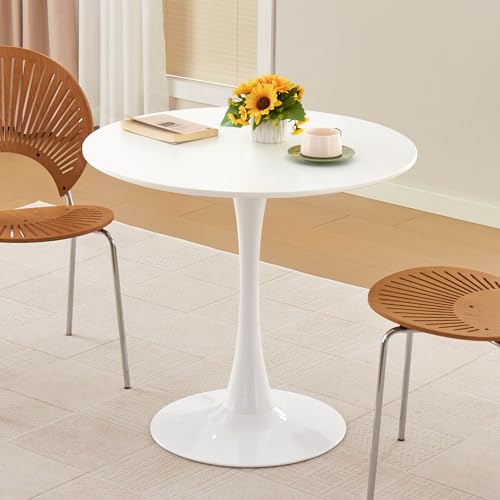
Hansweld Round Dining Table, 31.5" Tulip Table (White) | with Thickened Tabletop & Metal Pedestal, Mid Century Modern Bistro Circle Table for Kitchen, Small Places, Dinner Room, Cafe
Check price on Amazon
Round Dining Table White with Pedestal Base,31.5" Modern Tulip Dining Room Table for 1-4 People,Pedestal Dining Table with Round Top for Kitchen Living Room (Tulip Dining Table White)
Check price on Amazon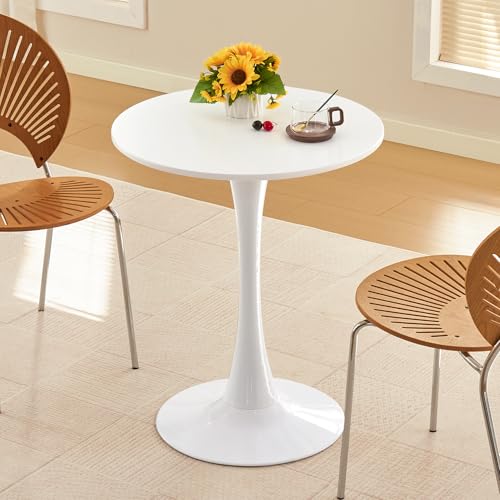
Hansweld Round Dining Table, 24" Tulip Table (White) | with Thickened Tabletop & Metal Pedestal, Mid Century Modern Bistro Circle Table for Kitchen, Small Places, Dinner Room, Cafe
Check price on Amazon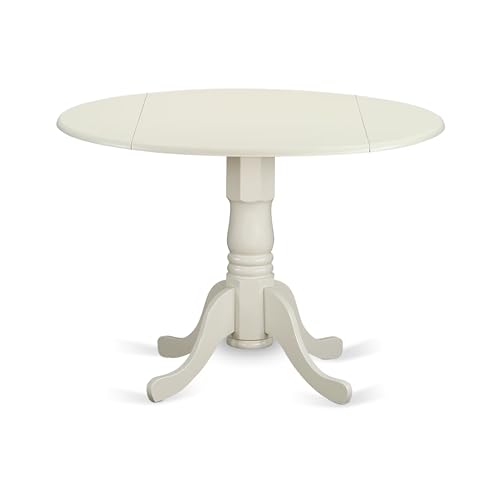
East West Furniture DLT-WHI-TP Dublin Modern Kitchen Table - a Round Dining Table Top with Dropleaf & Pedestal Base, 42x42 Inch, Linen White
Check price on Amazon
LITTLE TREE Round Dining Table for 4-6 People, 47 Inches White Circle Dinner Kitchen Dining Room Table with Wooden Pedestal Base for Kitchen, Living Room
Check price on Amazon
30 Inch Round Dining Table, Modern Tulip Bistro Table with White Faux Marble Top and Weighted Gold Pedestal Base, Small Kitchen Table for 2-4 People, Mid Century Style for Dining Room, Cafe, Office
Check price on Amazon
KEIKI 42" to 57.9" Extendable Round Dining Table, Pedestal Base, White | MDF Tabletop, Seats 4-6 People, Modern Tulip Style, Space-Saving Design, Kitchen Dining Room Use, Apartment Friendly Size
Check price on Amazon
42 Inch Round Dining Table for 4, White Tulip Dining Table with Thickened Tabletop & Sturdy Metal Pedestal, Mid-Century Modern Kitchen Table for Dining Room,Living Room,Cafe (White)
Check price on AmazonFrequently Asked Questions
What size room suits a small white pedestal dining table?
A small white pedestal dining table typically seats two to four people and works well in compact dining areas, breakfast nooks, and open-plan corners. Plan for roughly 30 to 36 inches of clearance around the table edge for chair pull-out and walkway flow.</