
Rustic Farmhouse Dining Table: Complete Buyer's Guide
Bring warmth, character, and timeless charm to your dining room. Learn how to choose the right wood, finish, size, and seating for a rustic farmhouse dining table that fits your home and your life.
Explore Recommended TablesWhy rustic farmhouse tables endure: A rustic farmhouse dining table is more than furniture — it is the anchor of gathering. Its distressed surfaces, solid wood construction, and honest joinery tell a story, while its generous proportions invite family and friends to linger. This guide walks you through every decision, from wood species and finish to seating and long-term care, so you can choose with confidence.
What Defines a Rustic Farmhouse Dining Table?
A rustic farmhouse dining table blends the practical heritage of rural farmhouse furniture with the textured beauty of natural materials. Unlike polished contemporary designs, these tables celebrate imperfection: visible wood grain, knots, saw marks, and gently weathered edges. The result is a piece that feels lived-in from day one and only improves with age.
Typical characteristics include a substantial solid wood top, sturdy trestle or turned-leg bases, and a finish that ranges from natural oiled oak to whitewashed pine and deep distressed walnut. Many designs incorporate practical touches such as a farmhouse dining table with storage, where drawers or lower shelves add everyday function without sacrificing character.
Because these tables are built to be used, they pair naturally with bench seating, ladder-back chairs, and casual table linens. If your space leans toward a more tailored look, you can still achieve farmhouse warmth by pairing a rustic top with clean-lined seating — a balance that keeps the room feeling deliberate rather than themed.
Wood Species: Choosing the Right Character
The wood you choose determines not only the look of your table but also its durability, weight, and how it responds to daily life. Here are the most common options for rustic farmhouse tables and what each brings to the table.
Solid Oak
Dense, hard-wearing, and rich in visible grain. Oak takes stain and oil beautifully and can handle decades of daily meals. Its weight gives the table a reassuring, grounded feel.
Reclaimed Pine
Salvaged from old barns and buildings, reclaimed pine offers unmatched texture and history. Expect nail holes, knots, and color variation that no new wood can replicate.
Knotty Alder
Softer than oak but warmer in tone, knotty alder shows natural knots and a fine grain. It stains evenly and suits both painted and natural finishes.
Distressed Walnut
Deep chocolate tones with subtle figuring. Walnut is a high-end tier choice that brings a more refined rustic aesthetic while still showing natural grain and texture.
Finishes and Distressing: Setting the Mood
The finish is where a rustic farmhouse table truly comes alive. A natural oiled finish highlights the raw beauty of the wood and ages gracefully, developing a patina over time. A whitewashed or limed finish softens the grain and leans toward a coastal farmhouse feel. Deep stains and hand-rubbed waxes create a darker, moodier look suited to traditional farmhouses.
Distressing techniques — from hand-scraped edges to wire-brushed surfaces and simulated saw marks — add tactile depth. If you prefer a cleaner aesthetic, choose a lightly distressed table where the character comes primarily from the wood grain rather than applied wear. Either way, look for a finish that is sealed with a protective topcoat or oil that can be refreshed over time.
Consider how the finish will interact with your room's light. Natural and whitewashed finishes feel airy and bright, while dark stained tables add drama and intimacy. If you have a smaller or darker dining space, a lighter finish will help the room feel more open.
Sizes, Shapes, and Seating Capacity
Rustic farmhouse tables come in a range of shapes and sizes, but rectangular designs remain the most iconic. A standard table seats six to eight people comfortably, while larger trestle tables can seat ten or more. If you regularly host gatherings, an extendable model offers flexibility without permanently dominating the room.
Round and oval farmhouse tables are excellent for smaller spaces and encourage conversation. For very compact dining areas, a 5-foot square dining table offers generous seating in a balanced footprint. If you need to accommodate a crowd, a dining table set for eight people is a practical starting point.
| Seating Capacity | Typical Length | Best For |
|---|---|---|
| 4 people | 48 inches | Compact dining nooks and apartments |
| 6 people | 60–72 inches | Everyday family dining |
| 8 people | 72–96 inches | Frequent entertaining and larger families |
| 10+ people | 96 inches and above | Holiday gatherings and open-plan dining rooms |
When measuring your space, leave at least 36 inches of clearance around the table for chairs to pull out comfortably. If you are working with a longer room, a 48-inch dining table can anchor a narrow space without overwhelming it. For vertical interest or a casual bar-style layout, a large counter-height dining table pairs well with stools and benches.
Base Styles: Trestle, Turned Legs, and Pedestals
The base of a farmhouse table is as important as the top. Trestle bases — with their angled supports and central stretcher — are the classic rustic choice, offering stability and a distinctive silhouette. Turned legs bring a softer, more traditional feel and work well in rooms with other classic details. Pedestal bases suit round and oval tables, freeing up legroom and making them easier to seat around.
Whatever style you choose, check the joinery. Dovetails, mortise-and-tenon joints, and reinforced corner blocks indicate a table built to last. A well-constructed base should feel solid with no wobble, even when someone leans on one end.
Pairing Chairs and Benches
One of the joys of a farmhouse table is the freedom to mix seating. A classic approach is a bench on one side and chairs on the other, which keeps the room visually light and easy to navigate. Wooden benches echo the table's material, while upholstered chairs add comfort and contrast.
For a more coordinated look, consider a matching dining set. A counter-height dining bench pairs naturally with a counter-height table, while a full dining set for eight takes the guesswork out of matching finishes. If you prefer a softer, more traditional silhouette, an Amish-made round dining table demonstrates the craftsmanship that defines the best farmhouse furniture.
Styling Your Rustic Farmhouse Table
Rustic farmhouse styling is about restraint and texture. Start with a simple linen runner or a pair of woven placemats. Add a centerpiece that feels gathered rather than staged — a ceramic pitcher with seasonal branches, a wooden bowl of fruit, or a cluster of candles in iron holders. Keep the palette warm and earthy: cream, oatmeal, sage, terracotta, and natural wood tones.
For everyday use, consider a protective table pad to guard against heat and scratches, especially if your table has an oiled or waxed finish. For holidays, layer in darker linens and metallic accents to shift the mood without changing the table itself.
If your dining area extends outdoors, the same rustic aesthetic translates well to patio furniture. A concrete garden dining table or a large outdoor dining table can extend the farmhouse feel to alfresco meals.
Care and Maintenance for Longevity
A rustic farmhouse table is designed to age well, but it still needs care. Follow these habits to keep it looking its best for years.
- Dust regularly with a soft, dry cloth to prevent grit from scratching the surface.
- Wipe spills promptly with a slightly damp cloth, then dry immediately. Moisture is the enemy of solid wood.
- Use coasters and placemats to protect against heat rings and condensation.
- Reapply oil or wax every few months, or as recommended by the maker, to maintain the finish.
- Avoid harsh cleaners such as ammonia or abrasive sprays, which can strip the finish.
- Control humidity where possible; extreme swings can cause wood to expand, contract, or crack.
If your table develops minor scratches or water marks, a light sanding and re-oiling can often restore it. For deeper damage, consult a professional restorer or the original maker for guidance.
How to Choose: A Step-by-Step Approach
- Measure your space. Determine the maximum table length and width that allows comfortable clearance for chairs and walkways. Account for any nearby furniture or doorways.
- Decide on seating. Count how many people you need to seat daily versus during gatherings. Choose an extendable table if the numbers vary significantly.
- Choose your wood and finish. Match the tone and texture to your room's lighting, flooring, and existing furniture. Lighter woods brighten small spaces; darker woods add warmth and drama.
- Confirm construction quality. Look for solid wood tops, reinforced joinery, and a stable base. Read reviews that mention wobble, finish durability, and assembly experience.
- Plan your seating mix. Decide whether you want a matching set, a bench-and-chair combination, or a more eclectic mix. Ensure seat heights match the table height.
- Prepare for care. Understand the maintenance routine for your chosen finish and gather the supplies you will need, such as oil, wax, and soft cloths.
Ready to Bring Farmhouse Warmth Home?
Browse our curated selection of rustic farmhouse dining tables and find the piece that fits your space, your style, and your gatherings.
View Recommended TablesRecommended Rustic Farmhouse Dining Tables
⚠️ AFFILIATE DISCLOSURE: This website contains affiliate links. As an affiliate Associate, we earn from qualifying purchases. If you make a purchase through these links, we may receive a small commission at no additional cost to you. Read our full affiliate policy.
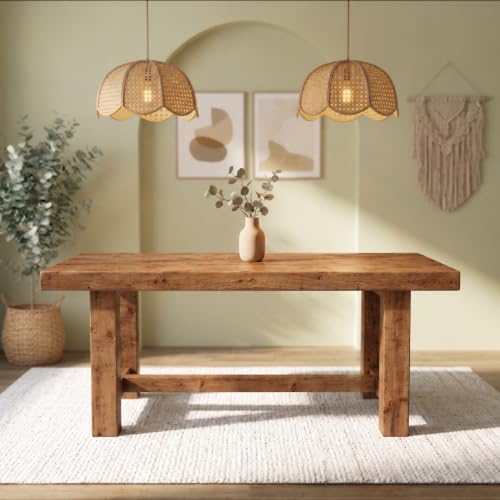
TRIBEWOOD 63-Inch Solid Wood Rectangular Dining Table for 4-6 People | Farmhouse Kitchen Table with Trestle Base, Real Wood Dining Tables for Dining Room,Apartment ,Elegant Details, Easy Assembly
Check price on Amazon
71-87 Inch Extendable Dining Room Table, Rustic Wooden Kitchen Table 6-10 | STHOUYN Expandable Dining Table, Farmhouse Rustic Style, Rectangular Wooden Top, Seats 6-10, Brown Kitchen or Dining Room
Check price on Amazon
Plank+Beam Classic 72 Inch Dining Table, Rectangular, Pecan Wirebrush | Non-Toxic Finishes, Versatile Design, Farmhouse Design, Elegant Details, Easy Assembly, Quick Setup, Solid Wood
Check price on Amazon
Garvee Wood Farmhouse Dining Table for 4-6, Heavy Duty Large Kitchen Table, 63 Inches Long Rectangular Dining Room Tables with Strong Legs, Thickness Tabletop, for Big Family, Dinette, Rustic Brown
Check price on Amazon
63-Inch Dining Table for 4-6 People, Rustic Farmhouse Long Kitchen Dinner Table for Dining Room, Yellowish Brown
Check price on Amazon
Garvee 71" Wood Dining Table for 2/4/6/8, Large Rectangular Kitchen Table | Anti-Collision Curved Corner Dinner Table with Recessed Footrest for Dining Room, Study & Home Office, Walnut Brown & Black
Check price on Amazon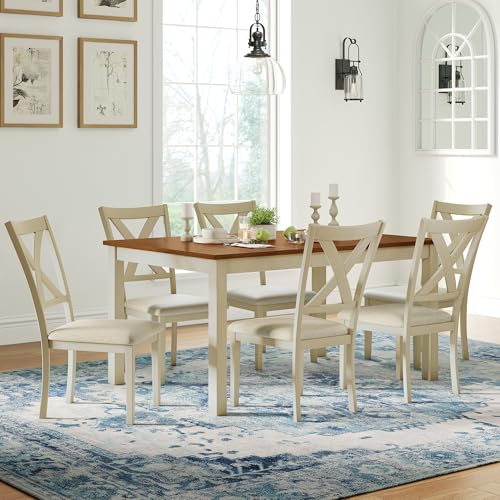
AMERLIFE 7-Piece Farmhouse Solid Wood Dining Table Set for 6, Rustic Cream | 60" Solid Wood Table, 6 Upholstered Chairs, Space-Saving Design, Rustic Dining Set, Dining Room and Kitchen
Check price on Amazon
Signature Design by Ashley Valebeck Extendable Dining Table, Farmhouse | Seats Up to 8 with 16.5 in Removable Leaf, Rustic Two-Tone Pine Wood, Veneer and Engineered Wood, Sturdy Trestle Base
Check price on AmazonFrequently Asked Questions
What wood is best for a rustic farmhouse dining table?
Solid oak, reclaimed pine, and knotty alder are popular choices. Oak offers durability and visible grain, reclaimed pine delivers authentic character, and knotty alder provides a softer, warmer look with natural knots. Walnut is a premium option for a darker, more refined rustic aesthetic.
How many people can a rustic farmhouse dining table seat?
A standard rectangular farmhouse table seats six to eight people comfortably. Larger versions with trestle bases can seat ten or more, and extendable models add flexibility for holidays and gatherings. Always leave at least 36 inches of clearance around the table for chairs.
How do I care for a distressed wood dining table?
Dust regularly with a soft cloth, wipe spills promptly, and reapply a protective wax or oil finish every few months. Avoid harsh chemical cleaners and use coasters or placemats to prevent heat and moisture damage. Control indoor humidity where possible to minimize wood movement.
Can I mix a rustic farmhouse table with modern chairs?
Yes. Mixing a rustic table with clean-lined modern chairs is a popular way to keep a room feeling current. Choose chairs in a complementary material, such as black metal or upholstered fabric, and keep the overall palette cohesive.
Is a round farmhouse table better for small spaces?
Round tables can be excellent for small or square rooms because they eliminate sharp corners and allow easier movement around the table. They also encourage conversation. For narrow rooms, a rectangular or oval table may fit more efficiently.