
Pewter Dining Table: The Complete Buyer's Guide
Everything you need to know about pewter dining tables — finishes, durability, styling, seating, and how to choose the right one for your dining room.
EXPLORE PEWTER TABLESWhy pewter stands out: A pewter dining table brings a soft, muted metallic character that feels warmer than chrome and more refined than raw steel. Its grey-with-a-hint-of-warmth tone suits modern, industrial, and transitional dining rooms alike, making it a versatile anchor piece for homeowners who want something distinctive but not flashy.
If you are researching a pewter dining table, you already know the look you want — that understated, softly reflective metal finish that reads as calm and sophisticated rather than cold. What you likely still need is clarity on what "pewter" actually means in furniture terms, how durable it is in daily use, and which configurations suit your space. This guide answers those questions in plain language so you can move from research to a confident purchase decision.
Pewter is a term borrowed from metalworking. Traditional pewter is an alloy historically made from tin with small amounts of copper and antimony. In furniture today, "pewter" is more often a finish descriptor — a soft grey metallic tone applied to metal frames, composite tops, or even painted wood. Understanding which version you are buying is the single most important step before you commit. If you are comparing metal options more broadly, our overview of rod iron and glass dining tables offers a useful contrast in construction and character.
What Exactly Is a Pewter Dining Table?
The phrase covers three distinct product categories, and each behaves very differently in a home:
- Solid pewter or pewter-alloy tops. These are genuine metal surfaces, usually tin-based alloys. They have a soft, matte-to-satin sheen, develop a patina over time, and are the most authentic interpretation of the term. They are relatively rare and typically fall into the premium or luxury tier.
- Pewter-finished metal frames and tops. These are steel or aluminum tables with a pewter-colored powder coat or lacquer. This is the most common category in the mid-range and high-end tier, and it delivers the pewter look with excellent durability and low maintenance.
- Pewter-painted or pewter-toned wood and composite tables. These use a grey metallic paint or veneer finish on a wood or MDF core. They are the most accessible entry-level route to the aesthetic and suit homeowners who want the look with a lighter, warmer feel.
Each category can look convincing in photos, so always confirm the material specification before ordering. A table described as "pewter finish" is almost always a coated metal or painted surface rather than solid pewter.
Why Choose a Pewter Dining Table?
Pewter occupies a useful middle ground in the metal furniture world. It is softer and warmer in appearance than polished steel, less overtly industrial than blackened iron, and far less reflective than chrome. That balance is exactly why it works in so many interiors.
- Understated elegance. The muted grey tone blends with almost any color scheme, from warm neutrals to deep greens and charcoal.
- Patina potential. Genuine pewter develops a soft, lived-in character over the years, which many homeowners find more appealing than a permanently pristine surface.
- Rust resistance. Pewter alloys and pewter-coated metals resist corrosion well, making them suitable for humid climates and occasional covered outdoor use.
- Design versatility. Pewter pairs naturally with wood, glass, stone, and upholstery, so it fits into industrial, modern rustic, Scandinavian, and transitional dining rooms.
- Long-term investment. A well-built pewter-finished table is a durable piece that will anchor a dining room for many years with minimal upkeep.
Materials and Construction: What to Look For
The quality of a pewter dining table depends far more on its construction than on the color of its finish. When you evaluate options, focus on these factors:
Frame and base
Look for a heavy-duty steel or aluminum frame with welded or reinforced joints. A solid build prevents wobble and keeps the table stable during daily use. Powder-coated finishes are generally more scratch-resistant than painted ones. If the base is thin or the joints look riveted rather than welded, it is likely an entry-level piece.
Tabletop core
Pewter-finished tops usually sit on a steel, aluminum, or composite core. A thicker core resists flexing and dents better. For solid pewter tops, check the thickness and ask about the alloy composition — higher tin content gives a warmer tone but is softer.
Finish quality
A premium pewter finish should feel smooth with no visible brush marks or uneven patches. Lacquered surfaces resist fingerprints and oxidation, while unlacquered pewter will patina over time. Neither is inherently better — the right choice depends on whether you want a stable look or a living finish.
Edge profile and apron
Rounded or chamfered edges are more comfortable for diners and less prone to chipping. A reinforced apron beneath the top adds rigidity, particularly on longer tables.
Sizes and Seating: Matching the Table to Your Room
Pewter dining tables come in the same footprint range as any other dining table, so the sizing rules are familiar. What matters most is leaving enough clearance for chairs and walkways.
- Two to four seats: ideal for apartments, breakfast nooks, and compact dining rooms. A small rectangular or square pewter table works well here — see our guide to small rectangular dining tables for layout tips.
- Four to six seats: the most common household size. A rectangular pewter table of around 60 to 72 inches long suits most family dining rooms.
- Six to eight seats: for larger dining rooms or households that host regularly. Oval and extendable designs help here — our oval dining table guide and compact extendable dining table guide cover these formats in detail.
As a rule of thumb, allow at least 36 inches of clearance on all sides for chair pull-out and walkways. In tighter rooms, round or oval pewter tables improve flow and reduce sharp corners.
Pewter Dining Table Styles and Design Directions
Pewter's neutral metallic tone makes it unusually adaptable. These are the styles where it performs best:
- Industrial modern. A pewter metal top on a blackened steel base, paired with leather or metal chairs, creates a clean industrial look without the heaviness of dark iron.
- Modern rustic. Pewter paired with reclaimed wood accents, linen textiles, and matte ceramics feels warm and grounded.
- Transitional. A pewter finish on a pedestal or trestle base bridges traditional and contemporary dining rooms.
- Scandinavian. Light pewter tones with pale wood and soft white walls create a calm, airy dining space.
- Outdoor and covered patio. Pewter-finished aluminum tables are popular for covered outdoor dining — our guide to dark brown outdoor dining tables offers useful contrast for finish choices.
How to Style a Pewter Dining Table
Because pewter is a mid-tone grey with warm undertones, the easiest styling approach is to layer texture rather than color. Start with a natural linen runner in oatmeal, sage, or charcoal. Add matte ceramic plates and simple glassware — glossy finishes can compete with the metal. For centerpieces, go for low arrangements of dried branches, eucalyptus, or stone vessels rather than high floral displays that block conversation.
Lighting matters enormously with pewter. A warm-toned pendant or chandelier at roughly 30 to 36 inches above the tabletop brings out the metal's warmth and prevents it from looking flat. If you are building a full dining set, our guide to good dining table sets covers how to coordinate chairs, benches, and table finishes.
For a darker, moodier look, pair pewter with smoked glass or dark wood — our smoked glass dining table guide explores how dark surfaces interact with metallic finishes. If you prefer a warmer base material, a solid oak dining table set offers a natural counterpoint to pewter accents.
Care and Maintenance for Pewter Tables
Pewter is forgiving but not indestructible. A few simple habits will keep the surface looking its best for years:
- Wipe spills promptly. Acidic foods and drinks can leave marks on unlacquered pewter if left to sit.
- Use placemats and coasters. Solid pewter is softer than steel and can dent or scratch; felt-backed placemats protect the surface during daily meals.
- Clean with mild soap and a soft cloth. Avoid abrasive pads, bleach, and ammonia-based cleaners, which can strip the finish.
- Polish sparingly. Lacquered pewter needs only a damp wipe. Unlacquered pewter can be polished occasionally with a metal polish to restore shine, or left alone to develop patina.
- Protect from heat. Always use trivets under hot dishes; direct heat can discolor or warp a pewter finish.
For a broader maintenance routine, see our dining table buying and care overview, which covers surface protection across materials.
Pewter vs Other Metal Finishes: A Quick Comparison
| Finish | Look | Durability | Best For |
|---|---|---|---|
| Pewter | Soft grey with warm undertones, matte to satin | Good; softer than steel, resists rust | Industrial, transitional, modern rustic dining rooms |
| Brushed steel | Cool silver, linear grain | High; very scratch-resistant | Modern and minimalist interiors |
| Blackened iron | Deep matte black | High but prone to chipping if poorly coated | Industrial and farmhouse dining spaces |
| Chrome | High-gloss mirror silver | High but shows fingerprints | Contemporary and glam interiors |
| Antique brass | Warm gold with dark patina accents | Moderate; patina is part of the look | Traditional and eclectic dining rooms |
Understanding Pewter Dining Table Tiers
Pewter dining tables span several market tiers. Using a consistent tier framework helps you compare options without getting lost in specifications:
- Entry-level tier: Pewter-painted wood or thin metal frames with a pewter finish. Suitable for light use, apartments, and homeowners who want the look without a long-term commitment. Finishes may wear faster under heavy daily use.
- Mid-range tier: Powder-coated steel or aluminum frames with pewter finishes, often with composite or glass tops. These offer a solid build and good durability for everyday family dining.
- High-end tier: Thicker metal construction, welded frames, and higher-quality lacquered finishes. These tables are well-specified for the category and hold up well over years of regular use.
- Luxury tier: Solid pewter or premium alloy tops, hand-finished surfaces, and designer bases. These are long-term investments for homeowners who value authenticity and craftsmanship.
In general, mid-range and high-end tier tables offer the best balance of durability and finish quality for most households. Entry-level models are a reasonable starting point for light use, while luxury pieces reward buyers who plan to keep the table for decades.
Buying Checklist Before You Order
- Confirm whether the table is solid pewter, pewter-coated metal, or pewter-painted wood.
- Measure your dining room and check clearance for chairs and walkways.
- Check the seating capacity against your household size and hosting habits.
- Review the frame construction — welded joints and reinforced aprons are signs of a solid build.
- Ask whether the finish is lacquered (stable) or unlacquered (patina).
- Confirm whether the table is suitable for covered outdoor use if that is your plan.
- Read the care instructions and warranty terms before committing.
- Consider the chair mix — metal chairs, upholstered chairs, or benches all change the overall look.
Recommended Pewter Dining Tables
⚠️ AFFILIATE DISCLOSURE: This website contains affiliate links. As an affiliate Associate, we earn from qualifying purchases. If you make a purchase through these links, we may receive a small commission at no additional cost to you. Read our full affiliate policy.

Christopher Knight Home Bessa Modern Dining Table for 6, Wood Dining Room Table with Marble-Effect Top, Spacious Rectangular Kitchen Table with Hand-Forged Hammered Iron Legs, Forged Pewter Gray
Check price on Amazon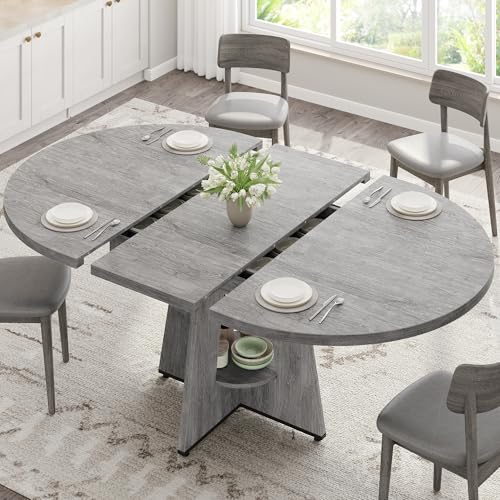
Extendable Dining Table, Round Kitchen Dining Room Dinner Table with for 4 6 8 People, Space Saving Modern Oval Expandale Furniture with Storage and Pedestal for Kitchen Living Room (Grey)
Check price on Amazon
Powell Pewter Metal and Rustic Wood Side Table Franklin Dining
Check price on Amazon
Powell Franklin Pewter Metal and Rustic Wood Table Dining
Check price on Amazon
Garvee 78.7″ Dining Table for 8-10 People, Large Kitchen Table (Only Table) | Grey Industrial Dinner Table with Heavy-Duty Steel Frame and High-Density MDF Thick Tabletop for Kitchen, Dining Room
Check price on Amazon
Manhattan Comfort Gansevoort Modern Vegan Leather Dining Chair with Solid Beech Wood Frame, Upholstered Accent Furniture for Kitchen Table or Office, Set of 2, Pewter
Check price on Amazon
Tribesigns 47 inch Round Dining Table Wood Kitchen Table for Dining Room, 47" Dinner Room Tables for 4-6, Farmhouse Accent Furniture with Wooden Tabletop and Cross Base, Rustic Grey
Check price on Amazon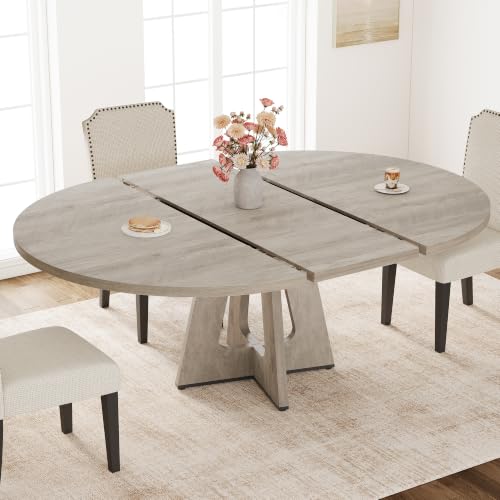
Garvee 47"-63" Extendable Round Dining Table for 4-8 (Table Only) Gray | Oval Dinner Table with Wooden Cross Pedestal Base, Farmhouse Kitchen Circle Furniture for Dining Room, Living Room, Kitchen
Check price on AmazonFrequently Asked Questions About Pewter Dining Tables
What is a pewter dining table?
A pewter dining table is a table with a pewter-toned finish — a soft grey metal look with subtle warm undertones. It can be a solid metal table, a metal frame with a composite top, or a wood table with a pewter-painted finish. The term usually describes the finish rather than the material itself.
Is pewter durable enough for everyday dining?
Yes. Pewter-finished metal tables are generally durable, especially when the finish is powder-coated or lacquered. Solid pewter tops are softer than steel and need protective mats, but they resist rust and develop a pleasing patina over time. Mid-range and high-end tier tables are built for daily family use.
How do I style a pewter dining table?
Pair pewter with warm woods, linen runners, matte ceramics, and soft lighting. Pewter works well in industrial, modern rustic, and transitional dining rooms, and it pairs beautifully with deep greens, charcoal, and warm neutrals. Avoid overly glossy decor that competes with the metal finish.
Does a pewter dining table scratch easily?
Solid pewter can scratch and dent more readily than steel or stone. Lacquered and powder-coated pewter finishes are more resistant. Use placemats, felt pads under decor, and avoid dragging objects across the surface. Prompt cleaning of acidic spills also helps prevent marks.
Can a pewter dining table be used outdoors?
Pewter-finished aluminum tables are suitable for covered outdoor areas because the metal resists rust. Solid pewter should be kept indoors or in fully protected spaces. Always check the manufacturer's guidance on outdoor suitability before placing any dining table on a patio.
Final Thoughts
A pewter dining table is a smart choice for homeowners who want a distinctive metallic anchor that feels warm rather than cold. The key is to buy the right type of pewter — solid, coated metal, or painted wood — and to match construction quality to your household's daily use. Focus on frame build, finish type, and seating capacity, and you will end up with a table that looks refined, ages gracefully, and serves your dining room for years.
If you are still exploring formats, our collection of dining table sets and the dining table selection guide can help you narrow down the right configuration alongside your pewter finish choice.