
Outdoor Dining Table Replacement Glass: Complete Guide
Restore your patio dining table with confidence. Learn the right glass type, thickness, safety standards, measurement steps, and installation methods before you order a replacement top.
Explore Replacement Glass OptionsWhy this guide matters: A cracked or chipped glass top does not mean the end of your outdoor dining table. In most cases, the frame, legs, and hardware remain structurally sound, and a proper replacement glass restores full function. The challenge is choosing the right glass type, thickness, and fit so the table stays safe under sun, rain, and daily use.
Why Outdoor Dining Table Glass Needs Special Attention
Outdoor dining tables face conditions that indoor tables rarely encounter: direct sun exposure, temperature swings, rain, wind, and occasional impacts from chairs, serving dishes, or yard tools. Standard window glass or low-grade glass is not suitable for this environment. The replacement glass must handle thermal stress and impact while fitting the table frame precisely.
Most outdoor dining tables use a glass top supported by a metal or wood frame with clips, gaskets, or a recessed rim. When the original glass breaks, the replacement must match the frame opening, the mounting system, and the load the frame was designed to carry. Ordering the wrong thickness or shape can lead to wobbling, stress cracks, or unsafe edges.
If you are still comparing table styles before committing to a repair, our guide to outdoor table and chairs dining sets explains how glass tops fit into broader patio dining layouts. For narrow patios and balconies, a skinny outdoor dining table often uses a smaller glass panel that is simpler and more economical to replace.
Tempered Glass vs. Laminated Glass: Which Is Right?
The two glass types most commonly used for outdoor dining table replacement are tempered glass and laminated tempered glass. Both are safety glass, but they behave differently when damaged.
| Glass Type | Best For | Key Strength | Consideration |
|---|---|---|---|
| Tempered glass | Most residential patio tables | Heat-treated, impact-resistant, shatters into small blunt fragments | Must be custom-cut before tempering; cannot be drilled or cut after |
| Laminated tempered glass | High-end and commercial-grade tables | Fragments stay bonded to an interlayer if broken | Heavier and generally positioned in premium tiers |
| Annealed glass | Not recommended for outdoor tables | Lower processing complexity | Breaks into sharp shards; not a safety glass for table tops |
For the vast majority of outdoor dining tables, tempered glass is the standard choice. It is strong, safe when broken, and widely available in custom shapes. Laminated tempered glass is the top-tier option for households that want an extra margin of safety, especially on elevated decks or in homes with children and pets.
If your table is part of a set with a metal or wicker frame, check our guide to wicker patio dining table styles to understand how glass tops are typically mounted on woven frames. Tables with umbrella holes require the glass to be cut with a center hole and often a polished edge around the opening.
Choosing the Right Glass Thickness
Thickness affects strength, weight, and how the glass sits in the frame. Too thin and the glass may flex or crack under load; too thick and it may not fit the frame recess or clip system.
| Thickness | Typical Tier | Best For |
|---|---|---|
| 6 mm tempered | Entry-level | Small round or square patio tables with light use |
| 8 mm tempered | Mid-range | Standard 4- to 6-seat outdoor dining tables |
| 10 mm tempered | Premium | Larger tables, umbrella-hole tops, and windy locations |
| 12 mm tempered or laminated | Luxury / commercial-grade | Large-format tables and hospitality-grade patio sets |
Always confirm the required thickness with the table manufacturer or the frame's original specifications. A mid-range table designed for 8 mm glass should not be fitted with 6 mm glass just because it fits the opening, and a frame designed for 6 mm may not accept 10 mm glass without modification.
How to Measure for Replacement Glass
Accurate measurement is the most important step in ordering replacement glass. A few millimeters of error can mean a top that does not fit or sits unevenly. Follow these steps carefully:
- Remove the broken glass safely. Wear heavy gloves and eye protection. Wrap broken pieces in thick paper or cardboard before disposal. Vacuum residual shards from the frame and surrounding area.
- Inspect the frame. Check for bent rims, missing clips, worn gaskets, or rust. A damaged frame may need repair before a new glass top can be installed safely.
- Measure the frame opening. Measure the inside opening at multiple points along the length and width. Record the longest measurements, since frames are rarely perfectly uniform.
- Measure the old glass if available. If the original glass is intact or can be reconstructed, measure its length, width, and thickness. Note the shape and any cutouts such as an umbrella hole.
- Note the edge profile. Most table glass has a flat-polished or beveled edge. Record the edge style so the replacement matches the original look and fit.
- Check the mounting system. Identify whether the glass sits in a recess, on top of a rim, or is held by clips. This determines the required thickness and edge finish.
- Provide a drawing or template. For round, oval, or irregular shapes, supply the glass supplier with a precise drawing or a physical template. Include the umbrella hole diameter if applicable.
Safety Standards and Edge Finishing
Outdoor dining table replacement glass should meet recognized safety glass standards. In the United States, tempered glass for furniture is typically tested to ANSI/CPSC standards, while in Europe the relevant standard is EN 12150. Ask your supplier for documentation confirming that the glass is tempered and compliant.
Edge finishing matters for both safety and durability. Flat-polished edges reduce the risk of cuts and help the glass seat evenly in the frame. Beveled edges are common on premium tables. For umbrella holes, the inner edge should be polished and, in many designs, fitted with a grommet or ring to protect the glass from the umbrella pole.
If your table is exposed to strong wind or sits on an elevated deck, consider laminated tempered glass for the additional safety margin. The bonding layer holds fragments together if the glass breaks, which is especially valuable in homes with children, pets, or frequent entertaining.
Recommended Outdoor Dining Table Replacement Glass & Patio Table Tops
⚠️ AFFILIATE DISCLOSURE: This website contains affiliate links. As an affiliate Associate, we earn from qualifying purchases. If you make a purchase through these links, we may receive a small commission at no additional cost to you. Read our full affiliate policy.

Audio-Visual Direct 42" Round Tempered Glass Table Top, 5/16" Thick
Check price on Amazon
velohomy 48" Round Glass Table Top, 3/8" Thick Clear Tempered Replacement Glass, Pencil Polished Edge for Coffee, Dining, Patio Tables & Furniture Protection
Check price on Amazon
Augeno 42 inch Round 1/4" Thick Pencil Polished Edge Clear Glass Table Top with 6 Bumpers - Tempered, Scratch Resistant & Safety Replacement Glass for Dining, Coffee, Patio & End Tables
Check price on Amazon
Dulles Glass 26" Round Glass Table Top, 3/8" Thick Clear Tempered Replacement Glass, Pencil Polished Edge for Coffee, Dining, Patio Tables & Furniture Protection
Check price on Amazon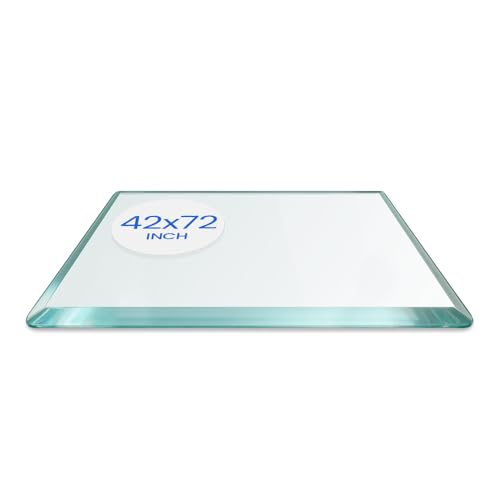
Dulles Glass 42X72 inch Rectangular Glass Table Top - Tempered - 3/8" Thick Glass Surface, Safe Beveled Edge, Radius Corners, Multipurpose for Dining Table, Patio, Coffee and End Table
Check price on Amazon
Virelix 48" Round Glass Table Top with 2 Inch Umbrella Hole, 3/16" Thick Flat Polished Edge Tempered Finished for Patio, and Outdoor Tables, Only Glass (48 inch)
Check price on Amazon
Flash Furniture 31.5x55 in Tempered Glass Table, with Umbrella Hole | Tempered Glass
Check price on Amazon
MAMIZO 7 Pieces Patio Dining Set for 6, Glass Table and Textilene Chairs | 30"X 55" Rectangular Table with 1.69" Umbrella Hole, Heavy Duty Metal Frame, Stackable Chair for Saving Space,All Weather Use
Check price on AmazonInstallation: What to Expect
Installing a replacement glass top is straightforward but requires care because glass is heavy and awkward to handle. Most outdoor dining tables use one of three mounting systems:
- Recessed rim: The glass drops into a recessed frame. The thickness must match the recess depth, and the glass should sit flush with the frame edge.
- Clip system: The glass rests on the frame and is secured by clips or brackets. Check that all clips are present and tightened evenly.
- Adhesive or gasket mounting: Some frames use a gasket or structural adhesive. Follow the frame manufacturer's instructions and allow proper curing time.
Use two people for installation whenever possible. Place the glass gently, check alignment before pressing down, and confirm that the top sits level without rocking. If the frame has adjustable feet or levelers, adjust them after installation to eliminate wobble.
For tables that include seating, our guides to a dining table and chairs for outdoors and a patio dining table with umbrella explain how the glass top interacts with umbrella poles and chair clearance.
Care and Maintenance for Outdoor Glass Tops
Replacement glass can last for many seasons with proper care. Follow these habits to keep the top clear, safe, and structurally sound:
- Clean with a mild soap solution and a soft cloth or squeegee. Rinse thoroughly to remove residue.
- Avoid abrasive pads, steel wool, and ammonia-heavy cleaners on coated or tinted glass.
- Use coasters and placemats for hot dishes, and never place a hot grill pan directly on the glass.
- Inspect clips, gaskets, and frame edges seasonally for wear, rust, or loosening.
- Cover the table during harsh weather or long periods of non-use to reduce sun fade and debris buildup.
- Clean up spills promptly, especially acidic foods and drinks, to prevent staining or etching on lower-tier glass surfaces.
If your table is part of a coordinated patio setup, our guides to a navy blue outdoor dining table and a small outdoor patio dining table cover how glass tops fit into different outdoor design palettes and space constraints.
When to Replace vs. Repair
Not every glass issue requires a full replacement. Small chips at the edge, minor scratches, and surface haze can sometimes be addressed with professional polishing or repair. However, cracks that extend into the glass, deep chips near the edge, and any damage on tempered glass indicate that replacement is the safer choice. Tempered glass cannot be repaired once compromised because the internal stress pattern is disrupted.
If the frame is bent, rusted through, or missing mounting hardware, address those issues before ordering new glass. A replacement top on a compromised frame is a safety risk. In many cases, replacing the glass is still a more efficient long-term investment than replacing the entire table, especially when the frame is solid and the design still fits your outdoor space.
Ready to Restore Your Outdoor Dining Table?
Browse replacement glass tops and patio table options that match your frame, seating, and outdoor space.
View Replacement Glass OptionsFrequently Asked Questions
What type of glass is best for an outdoor dining table replacement?
Tempered glass is the standard and safest choice for most outdoor dining tables. It resists impact and shatters into small, blunt fragments if broken. Laminated tempered glass adds an interlayer that holds fragments in place, making it a top-tier option for high-end or commercial-grade tables.
How thick should replacement glass be for an outdoor dining table?
Most outdoor tables use 6 mm to 12 mm tempered glass. Entry-level tables often use 6 mm, mid-range tables commonly use 8 mm, and premium or large-format tables use 10 mm to 12 mm. Always confirm the required thickness with your frame's manufacturer before ordering.
Can I replace the glass on an outdoor dining table myself?
Measuring and ordering custom-cut tempered glass can be handled by the homeowner, but installation is best done with two people. Many suppliers deliver and install. Confirm that the replacement glass matches your frame's mounting system, clips, or gaskets.
How do I measure for outdoor dining table replacement glass?
Measure the frame opening at multiple points, record the longest length and width, note the shape and thickness, and provide a drawing or template to your supplier. Include the umbrella hole diameter if your table has one, and confirm the expansion gap specified by the frame manufacturer.
How do I care for replacement glass on an outdoor dining table?
Clean with mild soap and a soft cloth or squeegee, avoid abrasive pads and ammonia-heavy cleaners on coated glass, rinse after cleaning, use coasters for hot items, and cover the table during harsh weather. Inspect clips and gaskets seasonally for wear.