
Industrial Style Dining Table: Complete Buyer's Guide
Raw wood, exposed steel, and factory-inspired character. Learn how to choose an industrial dining table that fits your room, seats your family, and lasts for years.
Explore Industrial TablesWhy industrial tables deserve your attention: The industrial style dining table blends reclaimed character with serious structural strength. It suits loft apartments, open-plan kitchens, and modern rustic homes alike. This guide walks you through materials, frame construction, sizing, seating, and styling so you can buy with confidence.
Recommended Industrial Style Dining Tables
⚠️ AFFILIATE DISCLOSURE: This website contains affiliate links. As an affiliate Associate, we earn from qualifying purchases. If you make a purchase through these links, we may receive a small commission at no additional cost to you. Read our full affiliate policy.
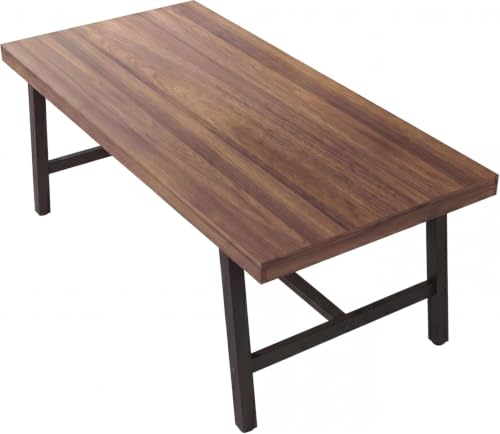
GarveeHome Industrial Dining Table for 6-8, 70.87" Heavy Duty Rectangular Kitchen Table with 2"×2" Metal Legs & Wood Top, Large Dining Table for Home Office, Dining (Brown, 71" Non-Extendable)
Check price on Amazon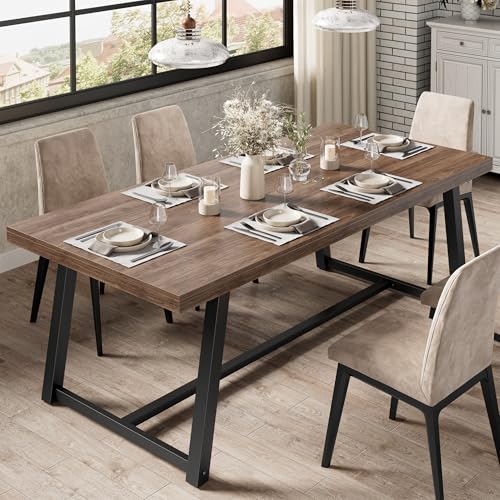
IRONCK 71" Dining Table for 6-8 People, Industrial Kitchen Table with Sturdy Metal Frame, Rectangular Brown Wood Dinner Table for Dining Room
Check price on Amazon
knoworld Industrial Dining Table for 6-8 People, 71" Large Long Wooden Kitchen Table with Sturdy Metal Frame & Brown Finish, Rustic Style Rectangular Dinner Table for Dining Room, Kitchen (Oak Gray)
Check price on Amazon
Garvee 78.7″ Dining Table for 8-10 People, Large Kitchen Table (Only Table) | Brown Industrial Dinner Table with Heavy-Duty Steel Frame and High-Density MDF Thick Tabletop for Kitchen, Dining Room
Check price on Amazon
Tribesigns Square Dining Table for 2, 31.5" Industrial Dinner Table with Metal Base, Kitchen Table for Dining Room, Small Space, Apartment
Check price on Amazon
Tribesigns Dining Table for 8 People, 70.87-inch Rectangular Wood Kitchen Table with Strong Metal Frame, Industrial Large Long Dining Room Table for Big Family (Rustic Brown)
Check price on Amazon
Plank+Beam Classic 72 Inch Dining Table, Rectangular, Pecan Wirebrush | Non-Toxic Finishes, Versatile Design, Farmhouse Design, Elegant Details, Easy Assembly, Quick Setup, Solid Wood
Check price on AmazonWhat Makes a Dining Table "Industrial"?
An industrial style dining table draws its identity from factory and warehouse furniture of the early 20th century. The defining visual signature is the pairing of a solid, often reclaimed wood top with an exposed metal base. Nothing is hidden — rivets, welds, cross-bracing, and bolts are celebrated rather than concealed.
Key characteristics to look for:
- Wood top with visible grain and texture: Reclaimed pine, mango, oak, and elm are common. Distressed finishes and natural knots are part of the aesthetic.
- Exposed metal frame: Blackened steel, iron, or powder-coated metal legs, trestles, or hairpin supports.
- Utilitarian joinery: Bolted plates, X-bracing, and pipe-style legs that echo industrial machinery.
- Neutral, earthy palette: Charcoal, gunmetal, walnut, and warm timber tones dominate.
- Substantial weight and presence: These tables feel anchored and grounded in a room.
The result is a table that feels honest and sturdy — furniture that looks like it was built to survive a factory floor, but now anchors a family kitchen.
Materials: Wood, Metal, and the Combination That Works
The best industrial tables balance two very different materials. Understanding each helps you judge quality before you buy.
Wood Tops
Reclaimed and solid wood tops give warmth and visual depth. Thicker slabs (often 1.5 to 2 inches) resist warping and support the heavy look. Mango and pine are common at the entry-level and mid-range tiers, while solid oak and walnut appear in premium and top-tier builds. Look for sealed finishes — oil, lacquer, or polyurethane — that resist spills and daily wear.
Metal Frames
High-grade steel and cast iron frames deliver the structural backbone. Powder-coated finishes resist rust and scratches. Reinforced weld joints at the corners and cross-bracing between legs are signs of a solid build. Commercial-grade frames typically use thicker tubing and heavier gauge steel than starter-tier models.
If you want to explore how wood and metal compare across other table categories, our guides on light wood extendable tables and chrome dining tables offer useful contrasts in material behavior and upkeep.
Frame and Base Types: Choosing Your Structure
The base determines both the look and the legroom. Here's how the main options compare:
| Base Type | Best For | Considerations |
|---|---|---|
| Trestle Base | Large family tables, rustic loft spaces | Excellent stability; heavy presence; generous legroom in the middle |
| Hairpin Legs | Compact dining nooks, modern-industrial blends | Light visual footprint; check weight rating for larger tops |
| Pipe-Style Legs | Authentic factory look | Bold statement; ensure floor protectors to prevent scratches |
| Pedestal Base | Round and oval industrial tables | Maximizes seating flexibility; ideal for conversation-focused rooms |
| X-Brace Frame | Rectangular tables of all sizes | Strong structural rigidity; distinctive cross-leg silhouette |
Sizing Your Industrial Dining Table
Industrial tables tend to run heavy and substantial, so measure carefully before committing. Use these guidelines:
- Seating per side: Allow about 24 inches of table width per person for comfortable dining.
- Clearance: Keep roughly 36 inches between the table edge and walls or other furniture for chair pull-out and walkways.
- Tabletop height: Standard dining height sits near 28 to 30 inches. Confirm your chairs match — see our 4 to 6 person dining table guide for pairing tips.
- Room proportions: A table that's too small disappears in an open loft; one that's too large crowds a compact kitchen. Sketch your floor plan before ordering.
For larger households, consider how an industrial table scales up. Our guide on dining tables with 12 chairs covers the logistics of very large setups, while complete dining table sets help you coordinate table and chairs together.
Quality Tiers: What to Expect at Each Level
Industrial tables span a wide range of build quality. Use these universal tiers to calibrate your expectations:
Entry-Level
Thinner metal tubing, veneer or composite tops with a wood-look finish, and simpler joinery. Suitable for light use and smaller spaces.
Mid-Range
Solid wood or thick veneer tops, powder-coated steel frames, and reinforced corner brackets. A balanced choice for daily family dining.
Premium
Solid reclaimed or hardwood slabs, heavier gauge steel, hand-finished surfaces, and refined weld detailing. Built for long-term use.
Top-Tier / Commercial-Grade
Thick slab tops, cast-iron or heavy steel bases, and professional-grade finishes. Engineered for high-traffic and hospitality environments.
In practice, a mid-range industrial table usually offers smoother finishes and more consistent grain matching than an entry-level model, while premium tiers add thicker slabs and more refined hardware. Match the tier to how hard the table will be used.
Pairing Chairs and Benches with an Industrial Table
The right seating completes the industrial look. Consider these combinations:
- Metal and wood chairs: Match the table frame material for a cohesive feel.
- Leather or faux-leather benches: A classic industrial pairing that adds warmth and softens the metal edges.
- Tolix or metal café chairs: Reinforce the factory aesthetic, especially in loft settings.
- Upholstered chairs in neutral tones: Balance the hard surfaces and add comfort for long dinners.
If you're building a full set, our dining table set guide explains how to coordinate proportions and finishes. For round industrial tables, the circle wood dining table guide and convertible round dining table guide cover seating layouts that work well with pedestal bases.
Styling an Industrial Dining Space
Industrial style rewards restraint. Keep the palette tight and let the table's texture do the talking.
- Lighting: Pendant lights with exposed bulbs, cage shades, or matte black fixtures hang beautifully above an industrial table.
- Centerpieces: Simple greenery, ceramic vessels, or metal trays. Avoid overly ornate decor that fights the raw aesthetic.
- Rugs: A flat-weave or jute rug grounds the table and softens the hard edges. Choose a size that allows chairs to sit fully on the rug.
- Wall treatment: Exposed brick, concrete, or matte charcoal paint reinforces the factory feel.
- Accents: Warm metallics and natural wood tones contrast nicely with blackened steel.
For a bolder focal point, explore how statement materials shift the mood — the green onyx dining table guide shows how a dramatic stone top can coexist with industrial framing.
Caring for an Industrial Dining Table
Industrial tables are durable, but they still need routine care to stay in shape:
- Wood tops: Wipe spills promptly, re-oil or re-seal annually, and use coasters for hot items.
- Metal frames: Dust regularly and touch up powder-coated surfaces if chips appear. Keep away from prolonged moisture to prevent rust.
- Hardware: Check bolts and brackets every few months and tighten as needed — heavy tables benefit from periodic inspection.
- Floor protection: Felt pads under metal legs prevent scratches on wood and tile floors.
Extending the Industrial Look Outdoors
If you love the industrial aesthetic, consider carrying it to an outdoor dining area. Our patio furniture set with dining table guide covers weather-resistant materials and layouts that echo the same rugged character.
Industrial Dining Table Buying Checklist
Before you commit, run through this checklist:
- Measure your room and confirm clearance on all sides.
- Decide on seating capacity and table shape.
- Choose your preferred top material (reclaimed, solid hardwood, veneer).
- Confirm frame material and joint construction.
- Check tabletop height against your existing chairs.
- Review finish type (oil, lacquer, powder coat) for maintenance needs.
- Plan delivery access — industrial tables are heavy and often ship in multiple pieces.
- Confirm assembly requirements and included hardware.
If you're still deciding between shapes, the convertible round dining table guide and 4 to 6 person dining table guide help narrow down configurations for smaller households.
Frequently Asked Questions
What defines an industrial style dining table?
It combines raw or reclaimed wood tops with exposed metal frames, featuring visible rivets, blackened steel, and a utilitarian silhouette inspired by factory and warehouse furniture.
Is an industrial dining table durable enough for daily family use?
Yes. Most industrial tables use high-grade steel or iron frames with reinforced joints, making them among the most durable dining table categories for everyday family use.
How do I size an industrial dining table for my room?
Allow about 36 inches of clearance around all sides for chair pull-out and walkways. Match table length to seating capacity, and confirm the tabletop height sits near 28 to 30 inches for standard dining chairs.
Can industrial tables fit small apartments?
Yes. Compact rectangular and round industrial tables with slim metal legs work well in apartments. Look for pedestal or trestle bases that free up legroom in tight spaces.