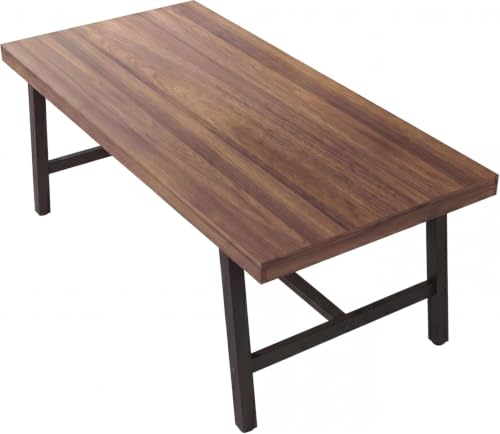
Dark Wood Dining Table: The Complete Guide
A dark wood dining table brings warmth, depth, and timeless character to any dining room. This guide walks you through wood species, finishes, sizing, styling, and long-term care so you can choose with confidence.
Start With The BasicsWhy dark wood works: Dark wood dining tables anchor a room visually and pair beautifully with both traditional and modern interiors. The rich tones of walnut, mahogany, and espresso finishes create a sense of formality and warmth that lighter woods often cannot match. If you are still comparing options, our broader materials and finishes hub is a helpful companion to this page.
What Counts As A Dark Wood Dining Table?
A dark wood dining table refers to a table built from woods that naturally carry deep brown, reddish-brown, or near-black tones, or a lighter wood that has been stained to a dark finish. The category includes solid hardwood tables, veneered tables, and stained or lacquered pieces. What unites them is the visual weight and warmth the darker tone brings to a dining space.
Many buyers arrive here after deciding they want something richer and more grounded than a pale oak or pine table. The key is understanding that "dark wood" is not one material. It is a family of options with very different durability, grain character, and care needs. Getting that distinction right is the single most important step before you buy.
The Main Dark Wood Species Compared
The species you choose affects grain pattern, hardness, color depth, and how the table ages. Here is how the most common dark woods stack up.
Walnut
The benchmark dark wood for dining tables. Rich chocolate-brown tones with elegant, flowing grain. Dense and durable, ages beautifully, and takes oil or lacquer finishes exceptionally well.
Mahogany
A deep reddish-brown hardwood with a fine, straight grain. Classic in traditional and formal dining rooms. Very stable and resistant to warping when properly finished.
Stained Oak
Solid oak stained to a dark espresso or charcoal tone. Combines oak's legendary hardness with a dark, modern look. A practical way to get dark tones with heavy-duty durability.
Cherry Stained Dark
Cherry naturally darkens with age. Staining it deep produces a warm, reddish-dark surface that develops character over time. Softer than walnut, so best for lower-traffic dining rooms.
Rubberwood / Mango Stained
Denser-than-you-expect tropical hardwoods often stained to espresso or walnut tones. A solid choice for starter-tier tables where the dark look matters more than legacy grain character.
Veneered Dark Wood
A thin dark wood layer over engineered core. Delivers the look of premium species at a lower tier. Quality varies widely, so check edge banding and core construction carefully.
Solid Wood vs Veneer: What To Look For
Solid dark wood tables are cut from a single species throughout the top. They can be sanded and refinished multiple times, which makes them a long-term investment. They also move naturally with humidity, so a solid table needs stable indoor conditions and reasonable care.
Veneered dark wood tables place a thin layer of real wood over a plywood or MDF core. Done well, they look nearly identical to solid wood and resist warping better in variable climates. Done poorly, edges can chip and the surface cannot be aggressively sanded. When evaluating a veneered table, inspect the edge banding, check that the grain pattern flows naturally, and confirm the core is dense and dry.
If you are weighing the two against each other, think about how long you plan to keep the table and how heavily it will be used. A solid walnut table is a worthwhile investment for a family dining room; a well-made veneered table is a sensible choice for a starter home or a secondary dining space.
Finishes That Define The Dark Look
The finish is what turns a wood species into the final look you see in the showroom. Dark wood tables typically use one of four approaches.
- Oil finish: Soaks into the wood, leaving a natural matte surface. Easy to spot-repair and develops a warm patina. Requires periodic re-oiling.
- Lacquer finish: A protective film that can be matte, satin, or glossy. Good resistance to spills and stains. Matte lacquer is popular for modern dark tables.
- Stain plus topcoat: The most common approach for stained oak, cherry, and rubberwood. The stain controls the color; the topcoat protects it.
- Wax finish: A traditional choice for antique and rustic dark tables. Warm and easy to maintain but offers less spill protection than lacquer.
For a matte, contemporary dark table, look for a satin or matte lacquer. For a traditional or rustic look, an oiled or waxed finish gives more depth and character. Either way, ask how the finish should be maintained before you commit.
Choosing The Right Size And Shape
Dark wood visually absorbs light, so size and shape matter more than with lighter tables. A very large solid dark slab in a small room can feel heavy, while a round or oval dark table distributes visual weight more gently.
As a starting point, allow roughly 24 inches of table width per seated diner and leave at least 36 inches of clearance behind chairs for walkways. For tight dining nooks, a round dark wood table with a pedestal base is often the most space-efficient choice. For long, formal dining rooms, a rectangular table with a trestle or pedestal base keeps the silhouette lighter than four thick legs.
If you host larger gatherings only occasionally, an extendable dark wood table lets you keep a compact footprint day to day. Our extendable dining table set guide covers how extension mechanisms work and what to check before you buy.
Dark Wood Dining Table Comparison At A Glance
| Option | Tier | Best For | Key Consideration |
|---|---|---|---|
| Solid Walnut | Premium | Long-term family dining rooms | Refinishable; needs stable humidity |
| Solid Mahogany | Premium | Traditional and formal interiors | Reddish tone; very stable |
| Stained Solid Oak | Mid-Range | High-traffic family tables | Heavy-duty hardness; check stain depth |
| Dark Cherry | Mid-Range | Warm, classic dining rooms | Softer surface; darkens over time |
| Stained Rubberwood / Mango | Entry-Level | Starter homes and apartments | Look for solid construction and good finish |
| Veneered Dark Wood | Entry-Level to Mid-Range | Modern look with limited refinishing needs | Inspect edge banding and core quality |
Styling A Dark Wood Dining Table
Dark wood is a strong visual anchor, so the goal is balance rather than competition. A few principles make styling straightforward.
Lighten The Surrounding Palette
Pair a dark table with light walls, a pale rug, or light upholstered chairs. The contrast keeps the room from feeling closed in and lets the table's grain stand out. Warm neutrals, soft creams, and muted greys all work well.
Choose Chairs That Complement, Not Clash
For a modern look, slim metal or light linen chairs against a dark table create a clean contrast. For a traditional look, upholstered chairs in muted tones echo the formality of the wood. Avoid matching every element in the same dark tone, which can flatten the room.
Use Lighting Deliberately
A pendant or chandelier centered over the table draws the eye and adds warmth to the dark surface. Layered lighting, including a floor lamp or wall sconce, prevents dark wood from reading as gloomy in the evening.
Keep Centerpieces Simple
A single low bowl, a linen runner, or a pair of candles is enough. Dark wood already carries visual weight, so minimal decor reads as intentional rather than empty. If you are building a cohesive look, our dining table vignette ideas show how to layer decor without overwhelming the table.
Care And Maintenance For Dark Wood
Dark wood hides some marks better than light wood but shows dust and water rings more clearly. A simple routine keeps it looking its best.
- Dust weekly with a soft microfiber cloth to prevent abrasive buildup.
- Wipe spills promptly with a slightly damp cloth, then dry immediately. Never let liquid sit on the surface.
- Use coasters and trivets for hot dishes and drinks to protect the finish from heat marks.
- Re-oil or wax oiled and waxed tables periodically, following the maker's guidance.
- Control humidity to reduce seasonal movement in solid wood. Avoid placing the table directly over heating vents or in full sun.
- Use felt pads under chairs and decor to prevent scratches.
For a deeper walkthrough of surface care, stain removal, and touch-ups, our care and maintenance hub covers the full routine.
Where A Dark Wood Table Fits In Your Home
Dark wood works in more settings than many buyers expect. In a formal dining room, it delivers classic gravitas. In an open-plan kitchen and dining area, it grounds the space and separates it visually from lighter cabinetry. In a compact apartment, a round or oval dark table with a pedestal base keeps the footprint efficient while still adding warmth.
If your home leans coastal or farmhouse, a dark table can still work when balanced with plenty of natural light and lighter surrounding materials. Our coastal farmhouse dining table guide explores how darker tones fit into those palettes. For larger households, a large dining table guide covers sizing and structural considerations for bigger tables.
Common Buying Mistakes To Avoid
- Ignoring the finish type: A beautiful dark stain over a thin topcoat will wear quickly in a busy home. Ask what the topcoat is and how it should be maintained.
- Underestimating visual weight: A very large, very dark table in a small room can dominate. Consider a lighter base or a round shape.
- Skipping the humidity check: Solid dark wood needs stable indoor conditions. If your home swings widely in humidity, consider a veneered option or add a humidifier.
- Mismatching chairs: Chairs that are too visually heavy can make a dark table feel suffocating. Balance weight with lighter materials or open frames.
- Overlooking the base: The base determines legroom and stability. A trestle or pedestal base often gives more comfortable seating than four corner legs.
Our dining table buying mistakes guide expands on these points and covers additional pitfalls to watch for.
Frequently Asked Questions
What is the best dark wood for a dining table?
Walnut and mahogany are the most popular dark woods for dining tables. Walnut offers a rich, chocolate-brown tone with strong durability, while mahogany delivers a deep reddish-brown with excellent grain. Both are premium-tier choices that age beautifully with proper care.
Does a dark wood dining table make a room look smaller?
A dark table can feel visually heavier, but it does not necessarily shrink a room. Pairing it with light walls, a light rug, and adequate lighting keeps the space feeling open. In small rooms, choose a pedestal base or a round dark wood table to reduce visual bulk.
How do I protect a dark wood dining table from scratches?
Use felt pads under chairs and decor, place a table pad or runner under heavy serving items, and avoid dragging objects across the surface. Routine dusting with a soft cloth and periodic waxing or oiling helps maintain the finish and hide minor scratches.
Can a dark wood dining table work in a modern interior?
Yes. A dark wood table pairs well with modern and contemporary interiors when combined with sleek chairs, minimal decor, and good lighting. The contrast between dark wood and light or metallic accents creates a refined, modern look.
Ready To Choose Your Dark Wood Dining Table?
Compare curated dark wood dining tables across tiers, from entry-level stained hardwood to premium solid walnut. Check specifications, sizing, and availability to find the right match for your dining room.
Explore Dark Wood OptionsRecommended Dark Wood Dining Tables
⚠️ AFFILIATE DISCLOSURE: This website contains affiliate links. As an affiliate Associate, we earn from qualifying purchases. If you make a purchase through these links, we may receive a small commission at no additional cost to you. Read our full affiliate policy.

SLEKVERSA 71" Farmhouse Dining Table for 6-8 Person, Large Rectangular Wood Dining Room Table Only, Rock-Strong Thick Base & Heavy Duty Triangular Legs for Kitchen, Office & Restaurant, Walnut
Check price on Amazon
Garvee 71" Wood Dining Table for 2/4/6/8, Large Rectangular Kitchen Table | Anti-Collision Curved Corner Dinner Table with Recessed Footrest for Dining Room, Study & Home Office, Walnut Brown & Black
Check price on Amazon
LITTLE TREE Dining Table for 4-6 People, Wooden Table, Rectangle Furniture with Heavy Duty Legs, Modern Kitchen Table for Home, Dining Room, Brown
Check price on Amazon
41 in-78 in Extendable Dining Room Table for 4-8, Round Expandable Kitchen Table with Fluted Base, Modern Farmhouse Oval Dinner Tables for Dining Room Kitchen Living Room (Walnut)
Check price on Amazon
Squireewo 71 Inch Solid Wood Dining Room Table, Walnut | Rustic Kitchen Table, Large Wooden Rectangular Dinner Table for Dining Room, Home Office, Living Room
Check price on Amazon
ModernMate 63"-78" Extendable Dining Table for 6-8 with Drawer, Walnut | Rectangular Kitchen Table, Double Pedestal Hidden Storage Legs, 3-Tier Pull-Out Drawers, Dining Room, Office, (Table Only)
Check price on Amazon
Dining Table for 6, Farmhouse Rectangular Kitchen Table, Walnut Wood | Modern Dinner Table for Family Gathering & Home Office - Sturdy Furniture
Check price on Amazon