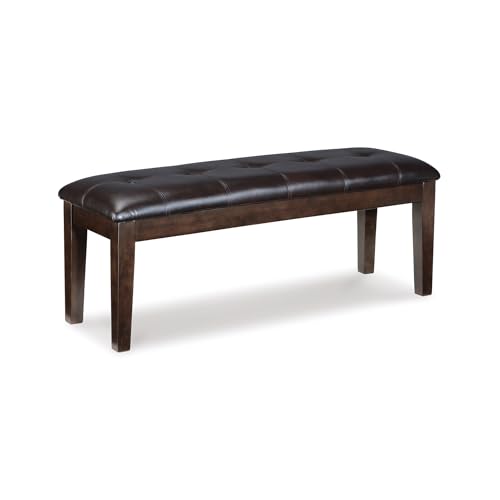
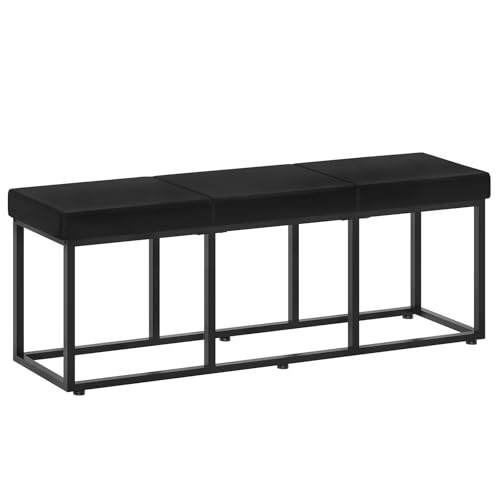
What Is a Cushioned Bench for a Dining Table?
A cushioned bench is a long seat designed to sit alongside or around a dining table, topped with a padded, upholstered surface. It replaces or supplements traditional dining chairs, typically on one side of a rectangular or wood dining room table with leaf, creating a mixed-seating layout that feels casual yet refined.
These benches come in several forms: backless upholstered benches that slide completely under the table, benches with a low backrest for extra support, and corner or L-shaped benches built into a nook. The common thread is comfort — the cushion is the defining feature that separates a dining bench from a plain wooden or metal seat.
Why Choose a Cushioned Bench Over Chairs?
Bench seating has moved from farmhouse kitchens into modern, transitional, and even luxury dining rooms. Here is why so many households make the switch:
- Space efficiency: A bench tucks fully under the table, freeing walkway space and making compact dining areas feel less crowded.
- More seating in less width: A single bench often seats three people where two chairs would fit, ideal for growing families and occasional guests.
- Comfort for longer meals: A quality cushion with supportive foam makes lingering dinners and conversation comfortable.
- Design cohesion: An upholstered bench visually anchors the table and pairs beautifully with a farmhouse dining table with leaf or a dark rustic dining table.
- Kid-friendly: Benches are easier for children to climb onto and keep them at a comfortable height alongside adults.
Types of Cushioned Dining Benches
Understanding the main bench styles helps you match the right piece to your table and room layout.
1. Backless Upholstered Benches
The most versatile option. A backless bench slides entirely under the table when not in use, maximizing floor space. It works well with rectangular and oval tables and suits open-plan layouts where visual clutter is a concern. The trade-off is less back support, so choose firmer padding and consider a lumbar pillow for long meals.
2. Benches With a Backrest
These offer chair-like support and are ideal for households that dine for extended periods. A backrest bench works best against a wall or in a dedicated dining room, since it cannot tuck under the table. Pair it with a square dining table set or a round pine pedestal dining table for a balanced look.
3. Corner and L-Shaped Nook Benches
Built-in corner benches wrap around two sides of a table, creating a cozy breakfast nook. These are permanent fixtures that require careful measuring, but they deliver the most seating per square foot and a distinctly inviting atmosphere.
4. Storage Benches
A cushioned bench with a lift-up lid or pull-out drawers hides table linens, placemats, and serving pieces. This is a smart choice for smaller dining rooms where storage is limited, and it pairs naturally with a white 6-seater dining table and chairs setup.
Cushion Thickness, Foam, and Comfort
The cushion is what makes or breaks a dining bench. Too thin and it feels like sitting on wood; too thick and it raises your seat height, making the table feel too low.
- Two to three inches of high-density foam is the sweet spot for daily dining — supportive without being bulky.
- High-density foam resists flattening over time, unlike low-density fill that compresses within months.
- Removable covers are a practical upgrade, especially in homes with children or pets.
- Tufting and piping add visual interest and help hold the cushion shape.
Always measure the combined height of the bench frame plus cushion and compare it to your table height. The ideal seat-to-table gap keeps your forearms resting comfortably on the tabletop.
Choosing the Right Upholstery Fabric
Dining benches face spills, crumbs, and daily wear, so fabric choice matters as much as padding.
| Fabric Type | Best For | Care Notes |
|---|---|---|
| Performance / microfiber | Families, daily use, high-traffic dining | Wipe-clean, stain-resistant, easy to maintain |
| Linen blend | Relaxed, natural, farmhouse settings | Softer feel; use removable covers for easy washing |
| Leather / faux leather | Modern and industrial dining rooms | Wipe clean; condition genuine leather periodically |
| Velvet | Luxury and statement dining spaces | Vacuum gently; keep away from direct sunlight |
| Cotton canvas | Casual kitchens and breakfast nooks | Durable; treat with stain protector for longevity |
Sizing: Matching the Bench to Your Table
Correct sizing is the difference between a bench that feels built-in and one that looks awkward. Follow these guidelines:
- Length: A bench should be slightly shorter than the table's length — roughly 12 to 18 inches shorter — so it tucks under without protruding at the ends.
- Seating width: Allow about 24 inches of bench length per person for comfortable dining.
- Depth: A bench depth of 14 to 18 inches suits most adults; deeper benches offer more lounging comfort but take up more floor space.
- Clearance: Leave at least 12 inches between the bench edge and the table edge for legroom, and 30 to 36 inches of walkway clearance around the table.
For larger gatherings, a bench pairs well with a 8-seater round dining table or a large outdoor dining table and chairs when used on a covered patio.
Style Tiers: Finding the Right Level
Dining benches span a wide range of construction quality. Rather than focusing on numerical figures, consider where a bench sits within its class and what that means for durability and finish.
Entry-Level Tier
Simple frames with basic foam cushions and standard fabric covers. A solid choice for occasional seating, guest rooms, or short-term setups where flexibility matters more than long-term wear resistance.
Mid-Range Tier
Sturdier hardwood or reinforced frames, higher-density foam, and removable, washable covers. This tier offers the best balance of comfort, durability, and design flexibility for everyday family dining.
Premium / High-End Tier
Solid wood construction, tailored upholstery with piping or tufting, performance fabrics, and precision joinery. Built for long-term use in high-traffic dining rooms and open-plan homes.
- Pro tip: A mid-range bench with a removable cover often delivers better long-term satisfaction than an entry-level bench with a fixed cushion, since you can refresh the fabric as styles or households change.
- Pro tip: Check the frame material — solid hardwood and reinforced steel outlast particleboard and lightweight composites in dining environments.
- Pro tip: Look for non-marking feet or felt pads to protect hardwood floors under a maple dining room table and chairs set.
Mixing a Bench With Chairs
One of the most popular layouts pairs a cushioned bench on one side of the table with traditional chairs on the other. This creates visual contrast and lets you choose firm, upright chairs for some diners and soft bench seating for others.
For a cohesive look, echo the bench upholstery in chair seat cushions or tie it to the table's finish. A cedar dining table and chairs set, for example, pairs beautifully with a natural linen bench, while a dark rustic dining table suits a leather or charcoal performance-fabric bench.
Placement and Room Layout Tips
- Anchor against a wall: Place a backrest bench against a wall to save floor space and create a cozy, built-in feel.
- Keep the bench side facing away from main traffic paths: Diners seated on a bench need to slide in, so avoid placing it where people walk behind constantly.
- Use a rug: A dining rug under the table and bench protects flooring and visually unifies the seating area.
- Lighting: Hang a pendant or chandelier centered over the table so bench diners are well-lit from above.
- Balance the room: If the bench sits on one side, add visual weight on the opposite side with chairs of a similar height and tone.
Care and Maintenance for Upholstered Benches
A cushioned bench stays fresh with a simple routine:
- Vacuum the cushion weekly to remove crumbs and dust.
- Spot-clean spills immediately with a mild soap solution and a soft cloth.
- Rotate or flip removable cushions to distribute wear evenly.
- Apply a fabric stain protector after cleaning, following the manufacturer's instructions.
- Keep the bench out of direct sunlight to prevent fabric fading.
- Check frame joints and tighten hardware periodically for safety and stability.
Common Mistakes to Avoid
- Ignoring seat height: A thick cushion can push diners too high relative to the table, causing shoulder strain.
- Choosing a bench that is too long: An overhanging bench blocks walkways and looks unbalanced.
- Skimping on foam density: Low-density foam flattens quickly, leaving an uncomfortable seat.
- Overlooking fabric care: Light-colored velvet or delicate linen in a busy family kitchen will show wear fast.
- Forgetting floor protection: Felt pads and non-marking feet preserve hardwood and tile floors.
Frequently Asked Questions
Is a cushioned bench comfortable enough for everyday dining?
Yes. A well-padded bench with high-density foam and a supportive backrest can be comfortable for daily meals. For longer dinners, choose firmer padding and tie cushions to the backrest for extra lumbar support.
How much space does a dining bench save compared to chairs?
A bench tucks fully under the table, freeing floor space and walkway clearance. It typically seats the same number of people as two or three chairs while using less depth, making it ideal for compact dining rooms.
What padding thickness is best for a dining bench cushion?
A cushion between two and three inches thick balances comfort and support. Thicker cushions feel plush but may raise seating height, so always check that the bench top plus cushion keeps your seat at the correct height relative to the table.
How do I clean an upholstered dining bench cushion?
Use a removable, washable cover or a performance fabric that resists spills. Vacuum weekly, spot-clean with mild soap, and rotate or flip the cushion to distribute wear evenly. For fabric benches, apply a stain protector after cleaning.
Can a cushioned bench be used outdoors?
Only if the bench and cushion are explicitly rated for outdoor use. Standard upholstery and wood frames are not weather-resistant; for patios, look for solution-dyed acrylic fabrics and treated hardwood or metal frames, and pair them with a large outdoor dining table and chairs set.