
Amish Style Dining Table: A Complete Guide to Heirloom Craftsmanship
Discover the enduring beauty, solid construction, and timeless appeal of Amish style dining tables. Learn what makes these handcrafted pieces a worthwhile long-term investment for your home.
Why Choose Amish Style? Amish style dining tables represent a unique blend of old-world craftsmanship and practical functionality. Built by skilled artisans using time-honored techniques, these tables are designed to be passed down through generations. Whether you are furnishing a traditional farmhouse or a modern home, an Amish style table offers unmatched durability and character.
Recommended Amish Style Dining Tables
⚠️ AFFILIATE DISCLOSURE: This website contains affiliate links. As an affiliate Associate, we earn from qualifying purchases. If you make a purchase through these links, we may receive a small commission at no additional cost to you. Read our full affiliate policy.

Hickory 7 Pc 4FT Farmhouse Dining Set Amish Made USA Honeyed Natural Dining | 48-Inch Kitchen Table with 4 Side Chairs & 2 Arm Chairs; Breakfast Nook Furniture, Country-Style Interior
Check price on Amazon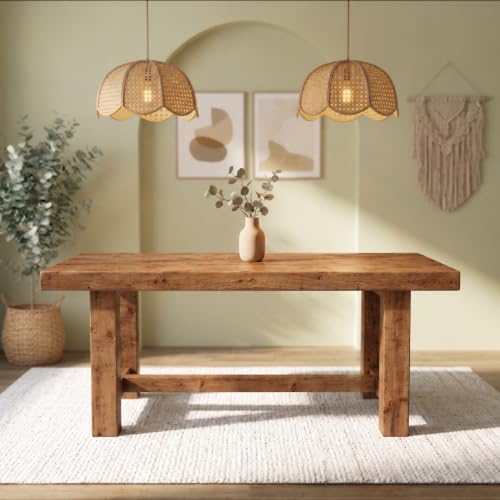
TRIBEWOOD 63-Inch Solid Wood Rectangular Dining Table for 4-6 People | Farmhouse Kitchen Table with Trestle Base, Real Wood Dining Tables for Dining Room,Apartment ,Elegant Details, Easy Assembly
Check price on Amazon
IRONCK Dining Table Set for 2, Rustic Brown | Small Kitchen Table with Upholstered Chairs, Compact Dining Set for Small Spaces, Kitchen & Dining Room
Check price on Amazon
TRIBEWOOD Solid Wood Dining Table for 4-6 People, 63 Inches Wooden Farmhouse Rectangular Kitchen Dinner Table with Heavy-Duty Legs for Home, Living Room, Dining Room, Rustic Brown
Check price on Amazon
Plank+Beam Classic 72 Inch Dining Table, Rectangular, Pecan Wirebrush | Non-Toxic Finishes, Versatile Design, Farmhouse Design, Elegant Details, Easy Assembly, Quick Setup, Solid Wood
Check price on Amazon
Signature Design by Ashley Gesthaven 6-Piece Dining Table Set, Blue | Dining table with bench, Space saving layout, Durable rubberwood solids, Mango wood veneer, MDF substrate, Coastal style
Check price on Amazon
Signature Design by Ashley Basinger Dining Table, 86 Inch, Medium Brown | Seats 8 with 25.88-inch legroom, Hardwood solids and mango wood veneer, Rustic turned legs, Farmhouse design
Check price on AmazonWhat Is an Amish Style Dining Table?
An Amish style dining table is a piece of furniture that embodies the principles of traditional craftsmanship, functional design, and long-lasting quality. Rooted in the woodworking traditions of Amish communities, these tables are characterized by their solid hardwood construction, hand-finished surfaces, and joinery techniques that have been refined over centuries. Unlike mass-produced furniture that often relies on particleboard and veneers, an Amish style table is built from solid wood and designed to withstand daily use for decades.
The term "Amish style" does not refer to a single design but rather a philosophy of furniture making. You will find Amish style tables in a wide range of aesthetic directions, from simple shaker-inspired designs with clean lines and minimal ornamentation to more elaborate pieces featuring turned legs, decorative apron details, and hand-rubbed finishes. What unites them is the commitment to quality materials and construction methods that prioritize longevity over short-term trends.
If you are exploring broader options for your dining room, you may also want to look at a vintage wood dining table and chairs set, which shares a similar appreciation for character and craftsmanship. However, Amish style tables offer the advantage of being newly built to your specifications, with modern durability standards and the ability to customize dimensions, finishes, and wood species.
Key Characteristics of Amish Style Dining Tables
Understanding the defining features of Amish style furniture will help you evaluate options and make an informed decision. Here are the core characteristics to look for:
1. Solid Hardwood Construction
Amish style tables are built from solid hardwoods such as oak, maple, cherry, walnut, and hickory. Each species offers distinct advantages. Oak is renowned for its hardness and prominent grain, making it an excellent choice for busy households. Maple provides a smooth, tight grain that takes stains and finishes beautifully. Cherry develops a rich patina over time, growing more beautiful with age. Walnut offers deep, luxurious tones and impressive durability. Hickory is among the hardest domestic woods, ideal for high-traffic dining areas. Unlike veneered or engineered wood tables, solid hardwood can be sanded and refinished multiple times, extending the life of the piece indefinitely.
2. Traditional Joinery Techniques
Amish craftsmen often use joinery methods such as mortise-and-tenon, dovetail, and tongue-and-groove construction. These techniques create strong, mechanical connections between components without relying solely on screws or nails. The result is a table that resists racking, wobbling, and structural failure over time. Some builders also incorporate corner blocks and reinforced aprons for additional stability. When evaluating a table, look for tight-fitting joints and smooth transitions between components as indicators of quality joinery.
3. Hand-Applied Finishes
Amish style tables typically feature hand-rubbed oil finishes, catalyzed lacquers, or conversion varnishes applied in multiple thin coats. These finishes penetrate the wood and provide protection while allowing the natural grain to show through. Hand-finishing creates a depth and warmth that is difficult to achieve with mass-production spray methods. Many builders offer custom stain colors, allowing you to match the table to your existing decor or achieve a specific look. If you prefer a lighter, more natural aesthetic, a white oak farmhouse dining table is a popular choice that pairs well with Amish craftsmanship.
4. Timeless Design Language
Amish style tables are not bound to a single aesthetic. You will find designs ranging from traditional pedestal tables and trestle bases to modern parsons tables and extendable butterfly-leaf models. This versatility means you can find an Amish style table that suits your home, whether it is a cozy cottage, a spacious farmhouse, or a contemporary apartment. The common thread is a design that feels intentional and balanced, with proportions that will remain pleasing for generations.
Wood Species Comparison for Amish Style Dining Tables
Choosing the right wood species is one of the most important decisions when selecting an Amish style dining table. Each species has unique characteristics that affect appearance, durability, and maintenance requirements. The table below provides a comparative overview to help you match the wood to your lifestyle and design preferences.
| Wood Species | Hardness & Durability | Grain & Appearance | Best For | Maintenance Level |
|---|---|---|---|---|
| Oak | High — excellent resistance to dents and wear | Prominent, open grain with rustic character | Busy family households, farmhouse and traditional interiors | Low to moderate — occasional oiling |
| Maple | Very high — among the hardest domestic woods | Smooth, tight grain with subtle figure | Modern and transitional interiors, formal dining rooms | Low — easy to clean and maintain |
| Cherry | Moderate to high — good durability with care | Fine, straight grain that darkens beautifully with age | Traditional and formal settings, heirloom pieces | Moderate — protect from direct sunlight |
| Walnut | High — dense and resilient | Rich, dark chocolate tones with dramatic grain | Luxury and contemporary interiors, statement pieces | Moderate — occasional polishing recommended |
| Hickory | Very high — one of the hardest domestic species | Striking contrast between light and dark grain | Rustic and industrial interiors, high-traffic areas | Low — naturally resistant to wear |
Popular Amish Style Dining Table Designs
Amish craftsmanship is applied to a wide variety of table designs, allowing you to find the perfect match for your home. Here are the most popular styles you will encounter:
Trestle Tables
The trestle table features a sturdy base with two or more vertical supports connected by a horizontal beam. This design is rooted in centuries-old furniture-making traditions and offers exceptional stability. Trestle tables are often extendable and can accommodate large gatherings. They work well in farmhouse, rustic, and traditional interiors. If you appreciate this aesthetic, you might also enjoy browsing options for a round dining room table farmhouse style to create a cohesive look.
Pedestal Tables
Pedestal tables feature a central column or columns supporting the tabletop, eliminating the need for corner legs. This design allows more seating flexibility and creates an open, airy feel in the dining room. Pedestal tables are available in single-pedestal and double-pedestal configurations, with the latter suitable for larger rectangular tops. They are an excellent choice for both traditional and contemporary settings.
Extendable Tables
Many Amish style tables are designed with extension mechanisms, including self-storing butterfly leaves, drop-in leaves, and draw-leaf extensions. These features allow you to adapt the table size for everyday use or special occasions. An extendable Amish table is a practical investment for households that entertain frequently or need flexibility in their dining space. You can learn more about flexible designs by exploring this space-saving dining table and chair set guide.
Tapered Leg Tables
Tables with tapered legs offer a more refined, contemporary look while retaining the solid construction that defines Amish furniture. Tapered legs reduce visual weight and create an elegant silhouette, making these tables suitable for smaller dining rooms or open-concept spaces. They pair beautifully with both upholstered and wooden chairs.
What to Look For When Buying an Amish Style Dining Table
Not all tables marketed as "Amish style" are created equal. Use the following checklist to evaluate quality and ensure you are making a sound investment:
Construction Quality
Examine the joints closely. Look for tight-fitting mortise-and-tenon or dovetail joints rather than staples or screws alone. Check the underside of the table for corner blocks and reinforcing brackets that indicate thoughtful construction. The table should feel solid and free of wobble when gently shaken.
Wood Selection
Confirm that the table is made from solid wood rather than veneer over particleboard. Ask about the wood species and its source. Reputable Amish builders use sustainably harvested domestic hardwoods and can provide details about the lumber used.
Finish Durability
Inquire about the finish type and application process. Conversion varnish and catalyzed lacquer offer superior resistance to moisture, heat, and stains compared to basic oil finishes. Hand-rubbed oil finishes provide a natural look but require more frequent maintenance.
Size and Proportion
Measure your dining space carefully before selecting a table size. Consider the number of diners you typically seat, the clearance needed for chairs and walkways, and the overall proportion of the room. A table that is too large will overwhelm the space, while one that is too small will feel inadequate. If you are furnishing a compact area, a dining table for 4 small space configuration can help you maximize functionality without sacrificing style.
Customization Options
Many Amish builders offer customization, including custom dimensions, wood species, stain colors, edge profiles, and base styles. Customization ensures the table fits your space and aesthetic perfectly. Ask about lead times and whether the builder can accommodate specific requests.
Caring for Your Amish Style Dining Table
An Amish style dining table is designed to last for generations, but proper care will ensure it remains beautiful and functional throughout its life. Follow these maintenance guidelines to protect your investment:
Routine Cleaning
Dust the table regularly with a soft, dry cloth to prevent grit from scratching the finish. For deeper cleaning, use a slightly damp cloth with a mild soap solution, then dry immediately with a soft towel. Avoid harsh chemical cleaners, abrasive pads, and excessive moisture, which can damage the finish and wood over time.
Protection from Heat and Moisture
Always use coasters, placemats, or trivets for hot dishes, cold beverages, and wet glasses. Prolonged exposure to heat or moisture can cause rings, warping, and finish damage. Consider using a dining table table cloth or protective pad during heavy use periods, especially if you have young children or entertain frequently.
Humidity and Sunlight Control
Solid wood expands and contracts in response to changes in humidity and temperature. Maintain a stable indoor environment with relative humidity between 35% and 55% to prevent cracking and warping. Avoid placing the table near heating vents, radiators, or direct sunlight, which can cause uneven fading and drying.
Periodic Maintenance
Depending on the finish type, you may need to apply a wood conditioner or polish periodically to maintain luster and protection. For oil-finished tables, reapply oil annually or as needed. For lacquered or varnished tables, a quality furniture polish once or twice a year will help preserve the finish. Inspect the table for loose joints or hardware and address any issues promptly to prevent further damage.
Why Choose an Amish Style Dining Table?
Investing in an Amish style dining table offers several compelling advantages over mass-produced alternatives:
Long-Term Investment
An Amish style table is built to last. While the initial commitment may be higher than entry-level furniture, the table will outlast multiple replacements of lesser quality. When considered over its lifetime, an Amish table represents efficient use of resources and a wise long-term investment. The ability to refinish and repair solid wood further extends its lifespan, making it a sustainable choice.
Unique Character
Each Amish style table is unique. Natural variations in wood grain, hand-applied finishes, and subtle differences in craftsmanship give each piece its own character. Unlike mass-produced furniture, where every item is identical, an Amish table tells a story through its grain patterns and handcrafted details.
Support for Traditional Craftsmanship
Purchasing an Amish style table supports skilled artisans who have dedicated their lives to woodworking. These craftspeople take pride in their work and build each piece with care and attention to detail that is increasingly rare in modern manufacturing. By choosing Amish furniture, you help preserve traditional skills and techniques for future generations.
Versatility and Timelessness
Amish style tables are available in a wide range of designs, from rustic to contemporary, ensuring there is a style to suit any interior. Because these tables are built with timeless proportions and classic joinery, they remain stylish regardless of changing trends. An Amish style dining table is not a disposable purchase; it is a piece that will anchor your dining room for decades.
Frequently Asked Questions
What makes an Amish style dining table different from regular dining tables?
Amish style dining tables are distinguished by their handcrafted construction, solid hardwood materials, traditional joinery techniques, and timeless designs that prioritize durability over trends. Each piece is built to last for generations, unlike mass-produced tables that often use engineered wood and veneers.
Which wood species are commonly used for Amish style dining tables?
Common wood species include oak, maple, cherry, walnut, and hickory. Each offers different grain patterns, hardness levels, and natural color tones, allowing you to choose based on your design preferences and durability requirements. Oak and hickory are the hardest and most durable, while cherry and walnut offer premium aesthetics.
How do I maintain an Amish style solid wood dining table?
Regular dusting with a soft cloth, occasional polishing with a wood-safe product, and protection from direct sunlight and extreme humidity changes will keep your Amish style table in excellent condition for decades. Avoid harsh chemical cleaners and always use coasters for hot or wet items.
Are Amish style dining tables suitable for modern homes?
Absolutely. While rooted in traditional craftsmanship, Amish style tables come in a wide range of designs from rustic farmhouse to clean contemporary lines. Many feature extendable options and versatile finishes that blend seamlessly with modern interiors. The timeless quality of Amish furniture makes it adaptable to any decor style.
How do I determine the right size Amish style dining table for my space?
Measure your dining area and allow at least 36 inches of clearance around the table for chair pull-out and walkways. Consider the number of diners you typically seat and whether you need extension capabilities for entertaining. A good rule of thumb is 24 inches of table width per person for comfortable seating.
Final Thoughts
An Amish style dining table is more than a piece of furniture; it is an investment in quality, craftsmanship, and timeless design. By choosing a table built from solid hardwood with traditional joinery and hand-applied finishes, you bring a piece into your home that will serve your family for generations. Whether you prefer the rustic charm of oak, the refined elegance of maple, or the rich depth of walnut, there is an Amish style dining table to suit your taste and lifestyle.
As you finalize your decision, consider the size of your space, the number of diners you typically host, and the design aesthetic of your home. Take the time to evaluate construction quality and ask questions about wood species and finishes. With careful selection and proper care, your Amish style dining table will become the heart of your home, a place where memories are made and shared for years to come. Explore our recommended selections above to find the perfect handcrafted table for your dining room.